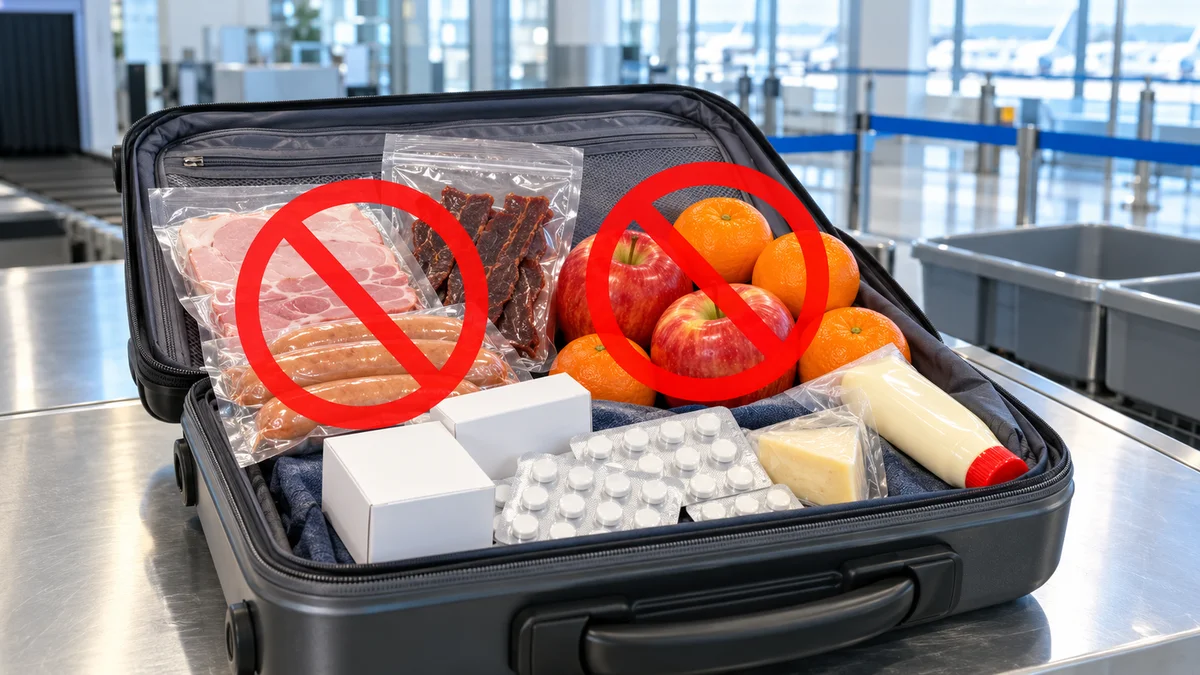
When you enter China, "prohibited items" catch out more people than you'd think.
The one to watch most is meat. China's rules ban not just raw meat but cooked and processed meat too. Cheese, butter and even egg-based mayonnaise are on the banned list. There's a lot that makes people say "wait, that too?"
To be honest, though, not everything is checked as strictly as the rules suggest. I'm 4G (Yongji), a Japanese YouTuber living in Shenzhen, and I've brought convenience-store rice balls, sandwiches and apple pies into China from abroad without anyone ever saying a word.
In this article I'll list what you can't bring into China and what has quantity limits, based on China Customs' (海关) official lists — and then honestly separate "what the rules say" from "how it works in practice". I live in Shenzhen, so I've also included what to know if you come in overland from Hong Kong 😊
📋 The quick checklist
Here's the bottom line first — the items that most often cause problems when entering China:
| Category | Examples | Status |
|---|---|---|
| 🥩 Meat and meat products | Ham, sausages, bacon, salami, beef jerky, meat buns, roast pork | ❌ Banned (raw or cooked) |
| 🧀 Dairy products | Milk, yogurt, cheese, butter, cream, condensed milk | ❌ Banned |
| 🥚 Eggs and egg products | Raw eggs, boiled eggs, century eggs, mayonnaise | ❌ Banned |
| 🍎 Fresh fruit and vegetables | Apples, oranges, strawberries, raw vegetables | ❌ Banned |
| 🐟 Raw seafood | Sashimi, raw shellfish, shrimp, crab | ❌ Banned (dried or cooked is OK) |
| 🌱 Plants, seeds and soil | Seeds, seedlings, bulbs, fresh flowers, soil | ❌ Banned |
| 🐶 Animals | Pets (other than dogs and cats), insects, fish | ❌ Banned (one dog or cat allowed under conditions) |
| 🗺️ Certain maps and books | Maps that show China's borders differently, and books containing them | ❌ Confiscated |
| 💊 Medicine | Everyday and prescription medicine | ⚠️ Personal-use quantities only. Sleeping pills etc. need a prescription |
| 🍶 Alcohol | 12% ABV or stronger | ⚠️ Up to 1.5 L (0.75 L if entering from Hong Kong or Macao) |
| 🚬 Tobacco | Cigarettes (incl. heated tobacco) | ⚠️ Up to 400 (200 if entering from Hong Kong or Macao) |
| 💵 Cash | Chinese yuan or foreign currency | ⚠️ Declare if over 20,000 yuan or the equivalent of US$5,000 |
Let's go through them one by one.
🥩 Meat products are banned — even cooked
This is where the most people get caught.
China Customs' list of prohibited items includes "meat (raw or cooked, including offal) and its products". In other words, not only raw meat but all processed and cooked meat is covered.
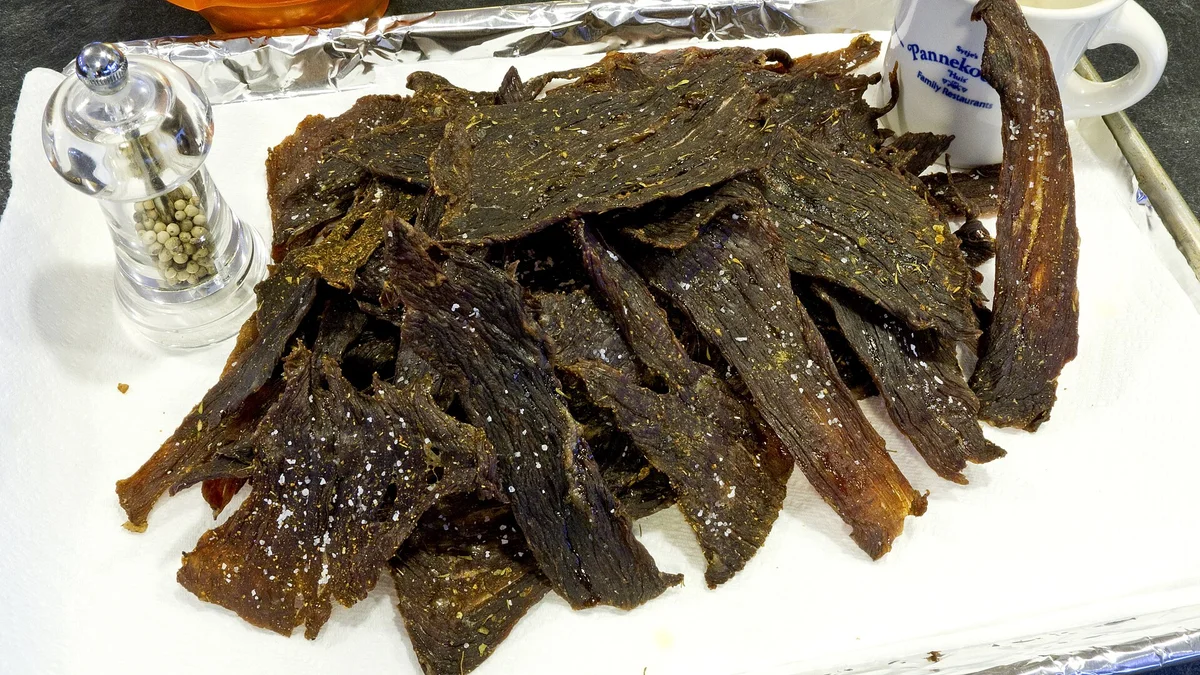
Specifically, these can be confiscated:
- 🥓 Ham, sausages, bacon, salami, chorizo, prosciutto
- 🍖 Beef jerky, biltong and meat snacks (including canned meat)
- 🥟 Dumplings and buns with meat filling (frozen or chilled too)
- 🥪 Sandwiches, wraps or packed meals containing meat (like the one you bought at the airport)
- 🐷 Roast pork, pâté, cured or smoked meats
"It's vacuum-packed" or "it's nicely gift-wrapped" makes no difference. If there's meat inside, it's covered — packaging doesn't matter.
🍜 What about instant noodles and ready meals?
This is a gray area.
The little bits of meat in instant noodle flavor packets, or the meat in a ready-made curry pouch, could count as "meat products" under the rules. In practice they often get through, but how they're treated if found depends on the officer.
If you're worried, choose meat-free flavors (seafood or vegetable) to be safe.
🧀 Dairy and egg products are banned too (yes, mayonnaise!)
Surprisingly few people know about dairy and egg products.
The list explicitly names dairy products such as milk, yogurt, cream, butter, cheese and condensed milk, and egg products such as raw eggs, century eggs, salted eggs, liquid egg, eggshells and mayonnaise.
| ❌ Can't bring | Examples |
|---|---|
| Dairy products | Milk, drinking yogurt, cheese (including processed cheese), butter, cream, condensed milk |
| Egg products | Raw eggs, boiled eggs, marinated eggs, century eggs, mayonnaise |
People often want to bring their favorite cheese or mayonnaise from home, but mayonnaise is named on the list. Large supermarkets and online shops in China sell imported cheese, butter and mayonnaise, so it's better to buy them locally 😊
🍎 Fresh fruit, vegetables, plants and seeds
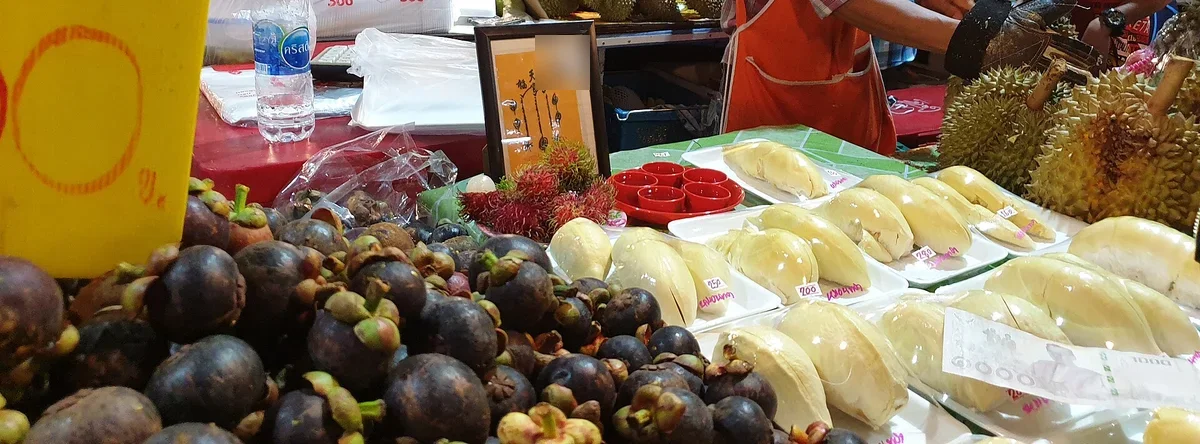
Fresh fruit and vegetables are banned. The rule exists to keep pests and plant diseases out, and it's taken seriously in every country.
- 🍊 Fresh fruit such as oranges, apples, grapes and strawberries
- 🥬 Raw vegetables
- 💐 Fresh flowers (bouquets too)
- 🌱 Seeds, seedlings and bulbs
- 🪴 Soil and potting compost
Fruit from home might seem like a nice gift for Chinese friends, but fresh fruit can't be a souvenir. If you want to give something, choose processed products such as dried fruit or sweets (the list bans fresh fruit and vegetables).
The same applies if you enter China via another country, such as somewhere in Southeast Asia. Buying mangosteens or durians in Thailand and carrying them into China isn't allowed.
🐟 Seafood and other animal-derived items
For seafood, "raw" is the problem. Dried, cooked and fermented seasonings are not covered.
| Category | Status |
|---|---|
| Sashimi, raw shellfish, shrimp, crab | ❌ Banned |
| Dried fish, canned cooked fish | ⭕️ Not covered |
| Fermented seasonings such as fish sauce | ⭕️ Not covered |
Other animal-related items that are banned:
- 🐶 Live animals (other than dogs and cats), including insects, goldfish and turtles
- 🐱 Dogs and cats: one per person, with a health certificate from the exporting country and a vaccination certificate
- 🪺 Edible bird's nest (except canned, processed products)
- 🦌 Animal-derived traditional medicine ingredients, animal skins, bones, horns, taxidermy and so on
💊 Medicine: personal use only
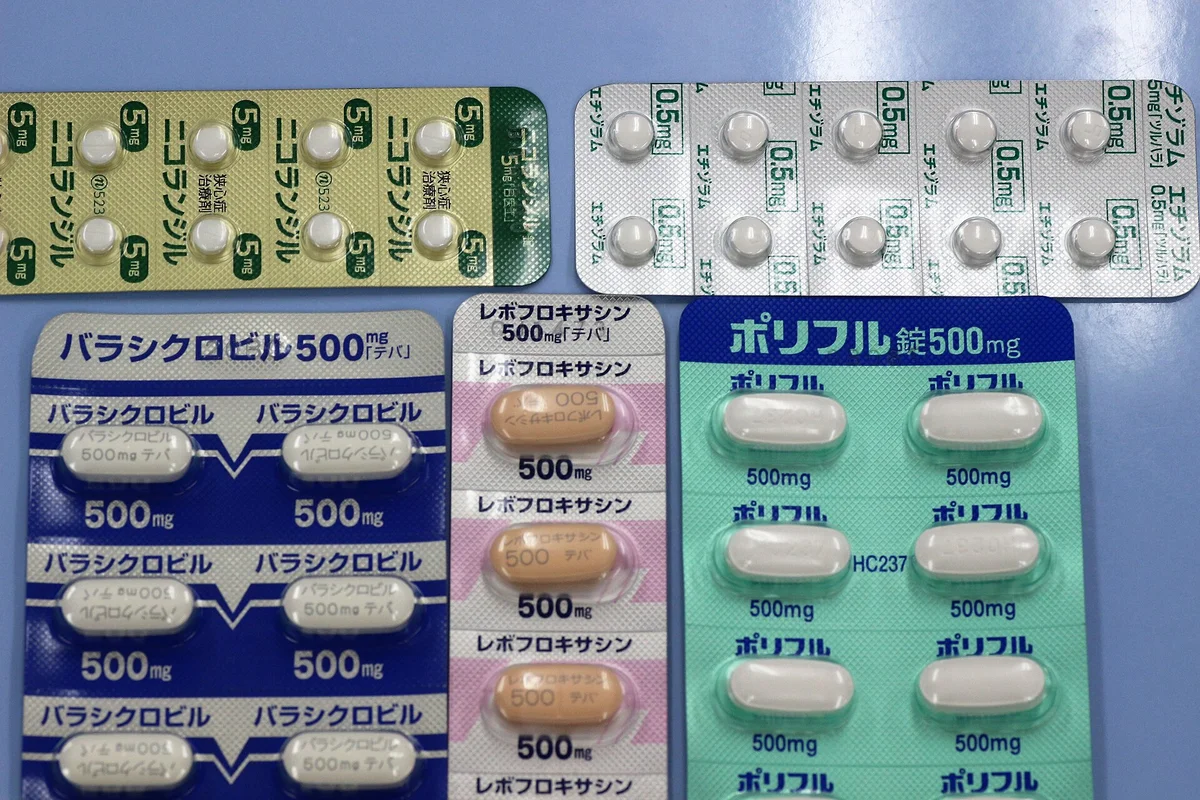
Bringing medicine into China is fine in itself. Everyday medicines for colds, stomach trouble or headaches are fine in amounts you'd use on a trip.
But watch out for these three things:
- 📦 Too much can look like it's for sale. The standard in China is "a reasonable amount for personal use"
- 📝 Medicines classed in China as narcotic or psychotropic drugs — such as sleeping pills, anti-anxiety medication and strong painkillers — require a doctor's prescription (in English or Chinese) and your passport
- 🧪 Some over-the-counter cold and cough medicines contain ingredients that are controlled in many countries (codeine-type or ephedrine-type ingredients)
🗺️ An unexpected trap: maps and books
This one surprises many visitors: in China, "problematic maps" are prohibited.
Maps drawn differently from China's official standards (for example how Taiwan is labeled, or how the islands in the South China Sea are shown) can be confiscated — not only the map itself, but also books and guidebooks that contain it. There have been news reports of books containing such maps being found by customs at Shanghai's airports.
Ordinary travel guidebooks rarely cause problems, but books or atlases with large world maps are worth thinking about before you pack them.
And of course, weapons, counterfeit money, drugs and obscene materials are also prohibited.
🤔 Rules vs reality: how strict is it really?
I've gone through the rules, but in practice enforcement is not as strict as the wording suggests. As a resident, I'll be honest about this.
Small amounts of food usually go unnoticed
When I fly back to China from Japan, I sometimes bring convenience-store rice balls with tuna mayonnaise or apple pies filled with custard cream in my carry-on.
By the rules, mayonnaise is an egg product and custard contains eggs and dairy, so neither should really come in. Even so, customs has never said anything to me.
For things like rice balls or bread — food you'll eat on the plane or within a few days of arriving — you'll almost always get through without a word.
No X-ray at customs on my arrivals from Japan
Another reason is that when I've entered China on flights from Japan, my bags have basically never been X-rayed at customs (this is my own experience — it may differ at other airports or on other routes).
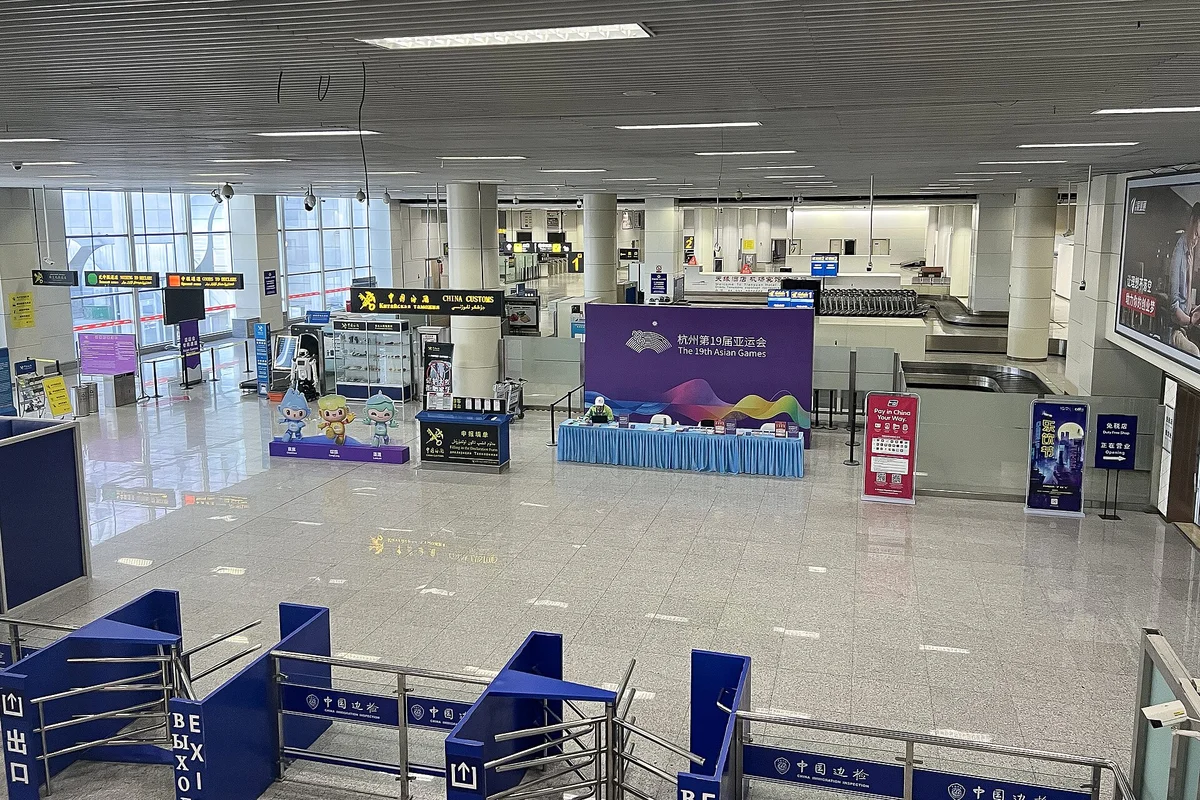
At customs you just walk out through the "green channel" (nothing to declare), so in reality things in your carry-on are, frankly, unlikely to be found.
Large quantities of gifts are likely to be caught
What you really need to watch out for is bringing banned items in bulk as gifts.
Gift boxes of ham and sausages, boxes of cheese, multi-packs of beef jerky or boxes of fruit stand out in a suitcase and clearly exceed personal consumption. They'll be confiscated if found, and large quantities can lead to fines or other penalties.
| Case | Rule | Reality (in my experience) |
|---|---|---|
| 🥪 A sandwich or snack to eat on the plane | ❌ Not allowed if it contains meat, egg or dairy | Almost never questioned |
| 🥧 Bread or sweets to eat in the first few days | ❌ Not allowed if it contains dairy or egg | Small amounts rarely cause problems |
| 🎁 Ham, cheese, fruit etc. in bulk as gifts | ❌ Not allowed | Likely to be caught. Better not to bring them |
If in doubt, declare it
If prohibited items are found, they're usually confiscated and destroyed (or returned). For small amounts of food, that's usually the end of it.
If you're bringing something you're unsure about, declaring it honestly is the safest option.
- 🟢 Green channel (无申报通道) — nothing to declare
- 🔴 Red channel (申报通道) — something to declare. Declaring in advance via the WeChat mini-program "海关旅客指尖服务" makes things smoother
I explain the whole arrival process, including customs, in Arriving in China: The Complete Immigration Guide.
🍶 Items with quantity limits (alcohol, tobacco, cash)
These are things you can bring, but must declare above a certain amount. The current rules have applied since December 2024.
Alcohol and tobacco limits
| Item | Standard limit | Entering from Hong Kong or Macao |
|---|---|---|
| 🍶 Alcohol (12% ABV or stronger) | 1.5 L | 0.75 L |
| 🚬 Cigarettes (incl. heated tobacco) | 400 | 200 |
| 🚬 Cigars | 20 | 10 |
Note that the limits are halved if you enter from Hong Kong or Macao. Many people come into Shenzhen from Hong Kong overland or by high-speed train, so remember this. A standard 750 ml bottle of wine or spirits is fine via Hong Kong; two bottles are fine on a normal international arrival 🍷
Also, frequent travelers who enter more than once within 15 days don't get the duty-free alcohol allowance (12% ABV or stronger), and their tobacco allowance is much smaller. People under 18 don't get these allowances at all. E-cigarettes also have quantity limits — if you vape, check the current rules before you travel.
Cash limits
| Cash | Declare if you carry more than |
|---|---|
| 💴 Chinese yuan | 20,000 yuan |
| 💵 Foreign currency | The equivalent of US$5,000 |
You can still bring more than this, but if you don't declare it and it's found, you'll have a problem.
There's also a limit on the total value of gifts
Something people often overlook is the total value of goods you'll leave in China. For travelers who don't live in China, items left in the country (such as gifts) worth more than 2,000 yuan in total are subject to duty.
2,000 yuan is roughly US$300 / €260. If you're bringing expensive gifts for family or friends in China, keep this in mind 💴
🔋 Bonus: power banks can be confiscated on domestic flights
This isn't about customs on arrival, but it catches so many people that I'll mention it here.
Since June 28, 2025, power banks without the "3C" mark can't be carried on domestic flights within China. 3C (CCC) is China's compulsory product certification.
Power banks bought outside China usually don't have the 3C mark. You can bring them on your international flight into China, but if you then take a domestic flight, they can be confiscated at airport security. If you plan to fly within China — Beijing to Shanghai, Shenzhen to Chengdu and so on — be careful. Recalled power bank models are also banned.
If you plan to fly domestically, it's worth buying a power bank with the 3C (CCC) mark before you go, or buying one locally in China, where almost all power banks on sale have it 🔋
🏠 Going home: check your own country's rules too
The same applies in reverse. Most countries — including the US, the UK, the EU countries, Canada and Australia — restrict or ban meat products from China.
Chinese sausages (腊肠), beef jerky, mooncakes with meat filling and pork buns are typical items confiscated at customs when people get home. When you buy souvenirs in China, tea, sweets without meat, and seasonings are usually the safer choices 😊
❓ FAQ
Q. Can I bring snacks from home? A. Ordinary snacks like chocolate, cookies, crackers and gummies are almost never a problem. But meat snacks such as beef jerky or salami are not allowed.
Q. Can I bring baby formula? A. The banned list gives milk, yogurt, cheese and butter as examples — powdered baby formula isn't named. Many people bring a personal-use amount for their baby, but how it's treated is up to the officer.
Q. What about the bread and butter from my in-flight meal? A. By the rules, butter and cheese are dairy, so they're not allowed, and neither is a ham-and-cheese sandwich. In practice, though, a bit of leftover bread from the plane is very unlikely to cause any problem.
Q. How much wine or spirits can I bring? A. Alcohol of 12% ABV or stronger: up to 1.5 L in total — two standard 750 ml bottles. If you enter from Hong Kong or Macao, it's 0.75 L — one bottle.
Q. If something is confiscated, can I get it back later? A. Banned items like meat and fruit are generally destroyed, so you won't get them back. If something is held temporarily for inspection, you'll get a receipt, but if you don't collect it within the deadline, it's considered abandoned.
✅ Summary
- 🥩 Meat and meat products are banned, raw or cooked. Ham, sausages, jerky, meat buns and meals with meat are all out
- 🧀 Dairy and egg products are banned too. Cheese, butter and yogurt — and mayonnaise is named specifically
- 🍎 Fresh fruit, vegetables, flowers, seeds and soil are banned. If you want to give food gifts, choose processed products
- 💊 Medicine is for personal use only. Sleeping pills and similar drugs need a prescription in English or Chinese
- 🗺️ Maps that differ from China's standards, and books containing them, can be confiscated
- 🤔 In practice, small amounts you'll eat on the plane or soon after arriving usually go unnoticed. But it's still against the rules, and bringing banned items in bulk as gifts is likely to be caught
- 🍶 Alcohol 1.5 L, cigarettes 400, cash 20,000 yuan / US$5,000. Enter from Hong Kong or Macao and the alcohol and tobacco limits are halved
- 🔋 Power banks without the 3C mark can be confiscated on domestic flights in China
Almost all of these problems are easy to avoid once you know about them. Check your suitcase against this list before you leave, so your gifts don't end up in an airport bin 😊
📚 Read next
- 🛃 Arriving in China: The Complete Immigration Guide — fingerprints, the arrival card, and how to go through the green and red customs channels
- 🧳 6 Things You Must Know Before Traveling to China — internet restrictions, payments, plugs and other preparations beyond packing
- 🚄 How to Enter China from Hong Kong by High-Speed Train — the route where the alcohol and tobacco limits are halved
Information current as of October 2026. References: Ministry of Agriculture and Rural Affairs / General Administration of Customs of China, "Catalogue of Animals, Plants and Their Products Prohibited from Being Carried or Mailed into the People's Republic of China" (2021); Ministry of Finance / General Administration of Customs, "Measures for Levying Customs Duties, VAT and Consumption Tax on Inbound Articles" (in force from December 2024); Civil Aviation Administration of China notice on power banks (June 2025).
Image credits: Wikimedia Commons — airport customs area: N509FZ (CC BY-SA 4.0) / beef jerky: Larry Jacobsen (CC BY 2.0) / fruit at a market: Michael (Public domain) / prescription medicine: melvil (CC BY-SA 4.0) / baggage X-ray scanner: Mirddincom (CC BY-SA 4.0)