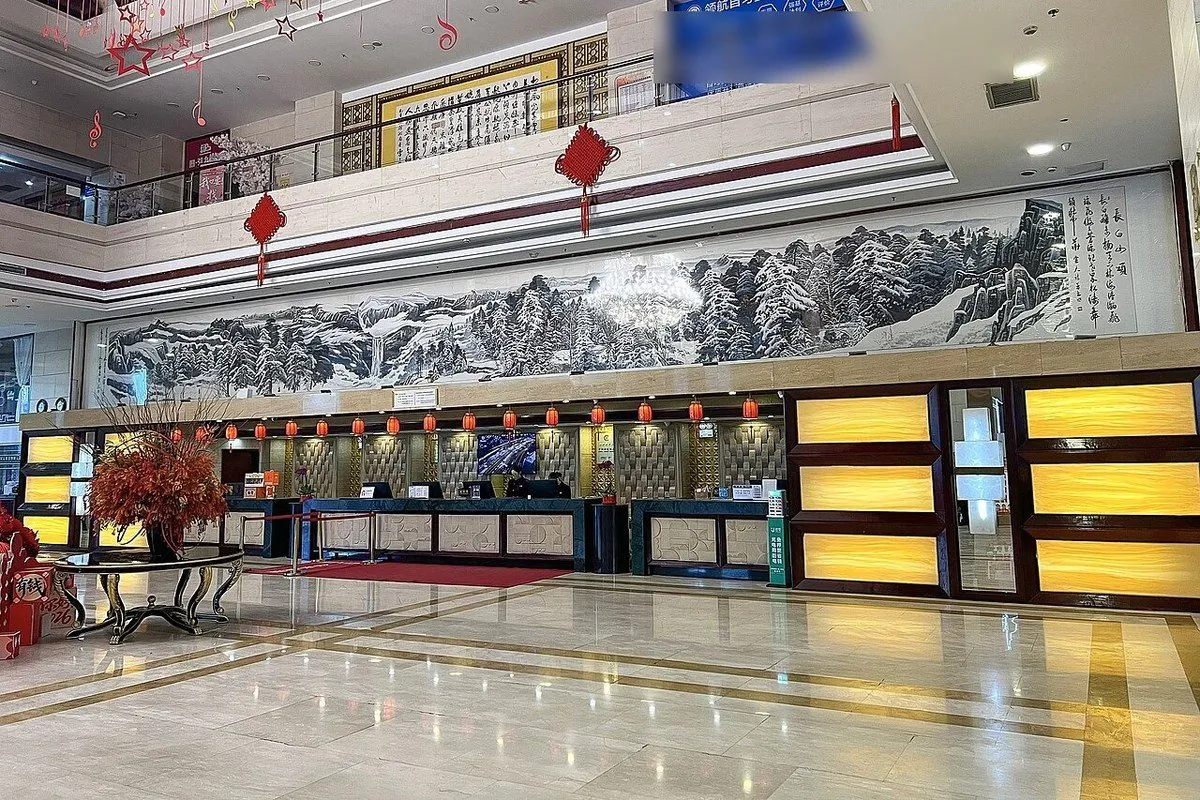
After visas and flights, this is one of the most common questions I get about traveling in China:
"Can a hotel turn me away just because I'm a foreigner?"
The honest answer: yes, it can happen — for reasons that may surprise you 🏨
I'm 4G (Yongji), a Japanese YouTuber living in Shenzhen, and I stay in Chinese hotels regularly for work and travel. In big cities like Shanghai or Beijing it's rarely an issue, but in smaller cities or at budget places you can still hear "sorry, we can't take foreigners."
This guide explains why it happens, how to tell before you book, and exactly what happens at check-in.
🤔 Why some Chinese hotels can't accept foreigners
It isn't discrimination — it's paperwork.
When a foreigner stays at a hotel in China, the hotel must register the guest with the police (Public Security Bureau) within 24 hours. This is called accommodation registration for overseas persons (境外人员临时住宿登记). The hotel enters your passport number, visa type, entry date and so on into a dedicated system — and hotels without access to that system simply can't take foreign guests.
In other words, it's not that they don't want you; taking you would put them in breach of the rules.
Officially, hotels aren't supposed to refuse foreign guests without good reason, and the number that can accept them grows every year. But front-desk practice hasn't fully caught up, and in 2026 you still hear stories of "I had a booking and was turned away on the day."
Which hotels are more likely to refuse?
| Type | Accepts foreigners? | Notes |
|---|---|---|
| International chains (Marriott, Hilton, Sheraton, etc.) | ✓✓ Almost always | English usually spoken |
| Mid- to upper-range brands of big Chinese chains (Huazhu, Jinjiang, Atour, etc.) | ✓ Most do | Rarely a problem in cities |
| Budget chains and local hotels in smaller cities | △ Check first | Higher chance of refusal |
| Guesthouses (招待所), homestays, small family-run places | ✗ Usually not | No registration system |
| Airbnb-style apartments | ✗ Best avoided | Not really set up for foreign guests |
As a rough guide, places under about CNY 150 a night (around US$20) or local hotels near stations in smaller cities carry more risk.
✅ How to avoid being turned away
The fix is simple: book in the right place.
1. Use an international booking site (this solves almost everything)
International platforms such as Trip.com, Booking.com, Agoda and Expedia generally only list hotels that can accept foreign guests. Book there and refusal is very unlikely.
The risk comes from Chinese domestic apps (Meituan, the Chinese version of Ctrip, etc.), which list huge numbers of budget hotels — including many that can't take foreigners.
On Trip.com, scroll down a hotel's page and you'll often see a note such as "This property accepts guests of all nationalities and regions." If you see that, you're good to go.
2. Choose 3-star or above, or a big chain
At around CNY 250 a night (about US$35) and up, the chance a hotel accepts foreigners rises sharply. Brands I'd feel confident with:
- Ji Hotel (全季) / Crystal Orange (桔子水晶) — Huazhu Group
- Atour (亚朵)
- Upper-range Jinjiang Inn brands
- Holiday Inn Express, Hampton by Hilton
3. Still unsure? Ask the hotel
If you booked through an international site you usually don't need to, but if you want certainty, message or call the hotel using the number in your confirmation. Paste this into a translation app or just send it as is:
你好,我是外国人,请问贵酒店可以接待外国人入住吗?
("Hello, I'm a foreigner. Can your hotel accept foreign guests?")
"可以" (kěyǐ — yes, we can) means you're fine. "不可以" or "接待不了" means no — cancel and book somewhere else.
🎒 What you need at check-in
People worry about this, but the only thing you truly need is your physical passport.
| Item | Needed? | Details |
|---|---|---|
| Physical passport | ✓✓ Essential | Copies or photos won't work. Needed for every guest |
| A way to pay a deposit | △ Usually not needed | If you prepaid on Trip.com, Agoda, etc., you're rarely asked |
| Booking confirmation | △ Rarely needed | Almost never requested — just for your own peace of mind |
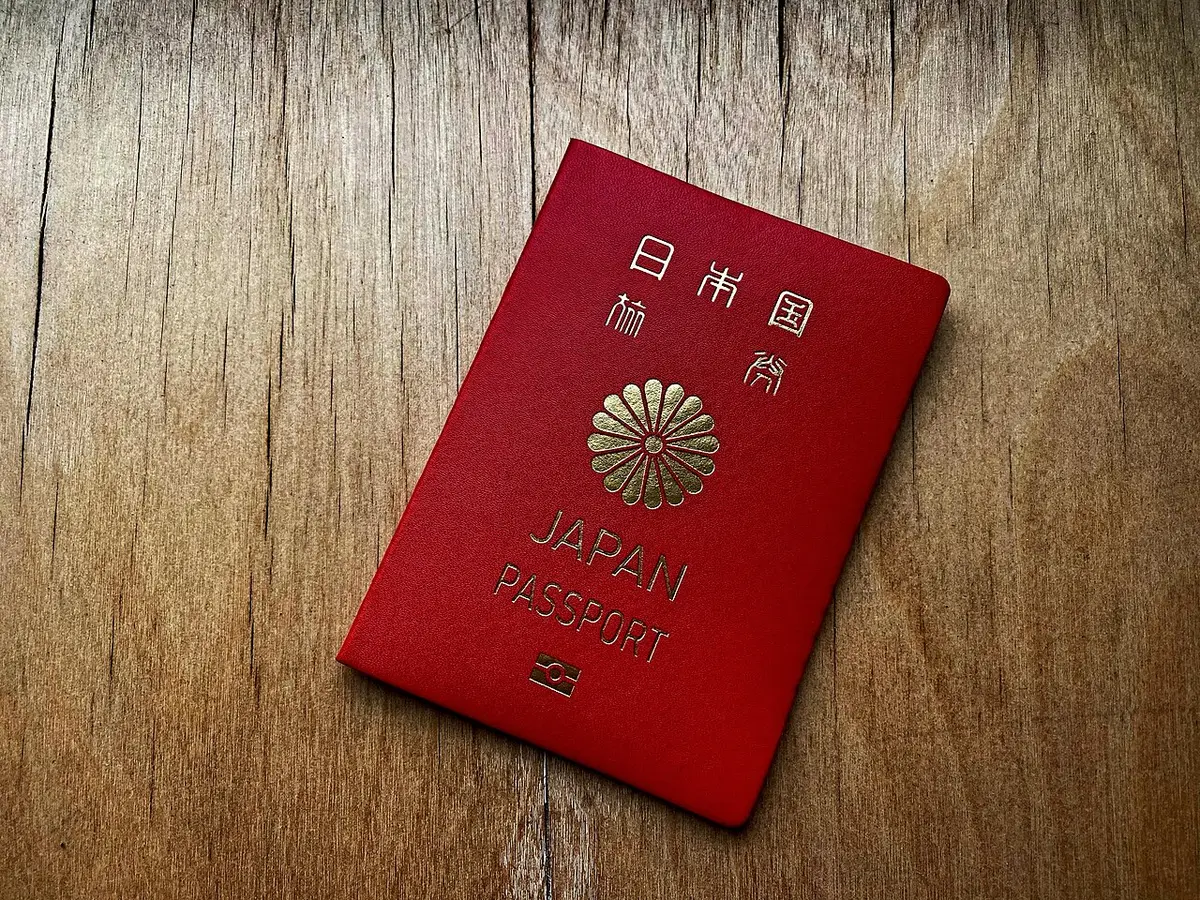
They'll look at your photo page and your entry stamp
Your physical passport is essential — copies and phone photos won't be accepted. Every person staying in the room needs theirs, so one person can't check in for the whole group.
At the front desk, staff check and photograph (or copy) two pages:
- The photo page (your personal details)
- The page with your most recent China entry stamp
The entry stamp shows when you arrived, i.e. that your stay is legal — this applies to visa-free visitors too. Staff sometimes struggle to find it, so put a sticky note on the stamp page to speed things up 😊
🛎️ What happens at check-in
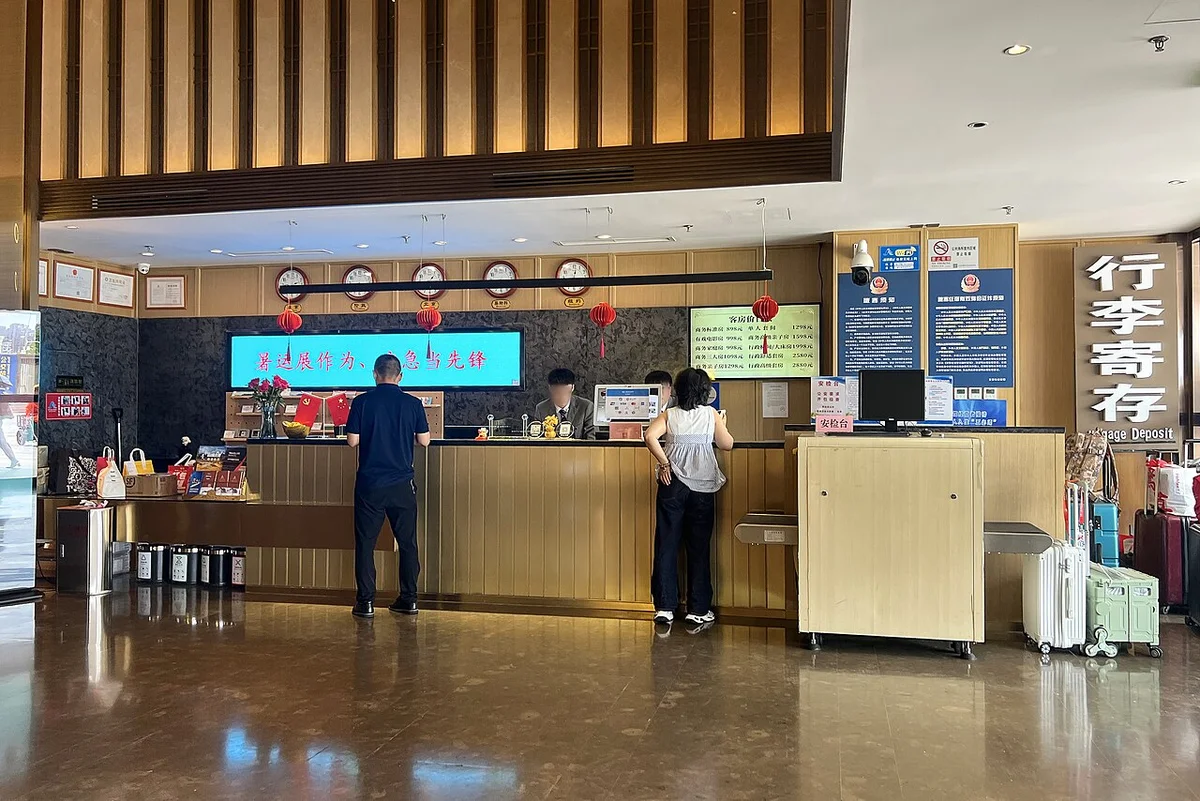
Occasionally you'll be asked to have your face photographed at the desk, but usually not.
Deposits: usually not required
A deposit at check-in used to be standard in China, but these days it's rarely asked for — especially if you prepaid through Trip.com, Agoda or a similar site. I can hardly remember the last time I paid one.
Some hotels still ask, though, so be prepared:
- Amount: roughly CNY 100–500 per night, depending on the hotel
- Payment: usually an Alipay / WeChat Pay QR payment or cash
- Refund: returned at check-out after the room is checked. Cash comes back on the spot; QR refunds can take 3–7 business days
🔑 The first thing to do in your room
The thing that confuses visitors most is the power.
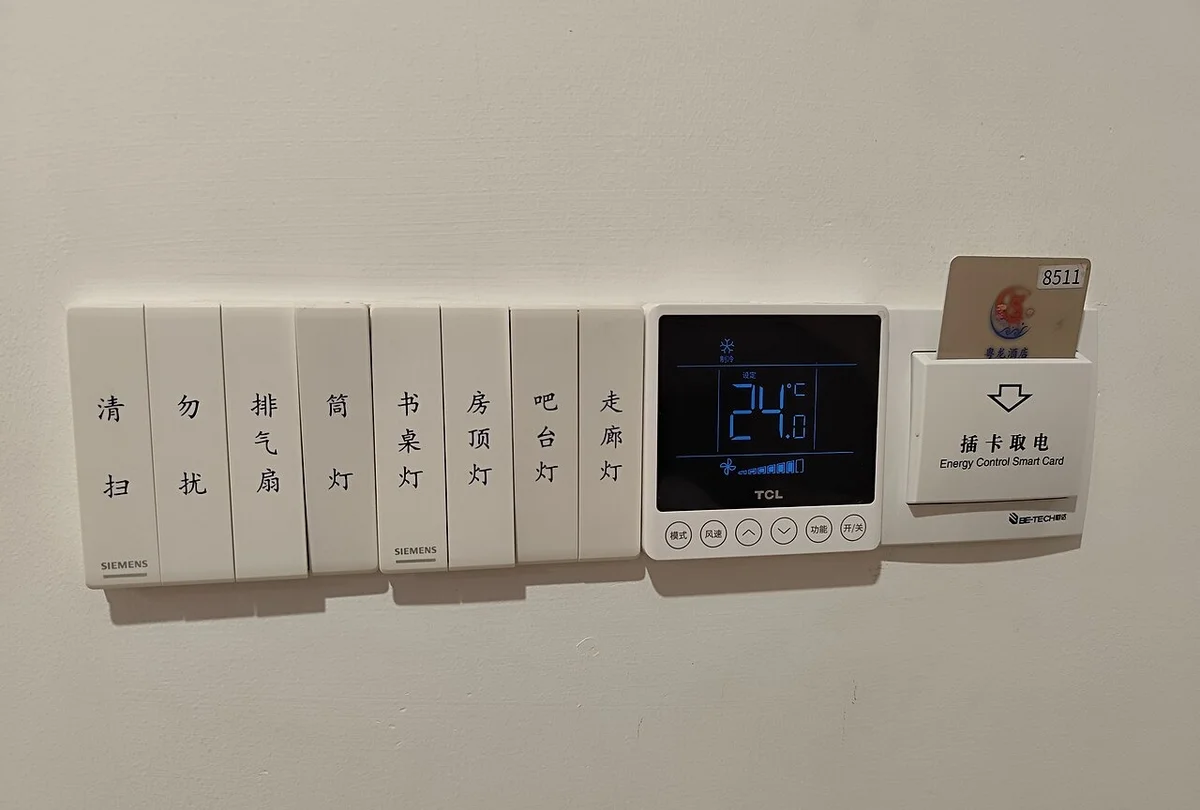
Almost every Chinese hotel room has a slot by the door where you insert your key card (插卡取电). Without it, the lights, air conditioning and sockets won't work. If your room is pitch dark and the AC won't start, this is almost always why.
The flip side: take the card out when you leave and the AC switches off too. Coming back to a sauna-like room in a Guangzhou or Chongqing summer is a classic experience. Some people leave an old loyalty card in the slot instead (at their own discretion).
A few other things worth knowing:
- 🪥 Bring your own toiletries: due to environmental rules, many hotels no longer put out disposable toothbrushes and razors. The front desk will often give you some if you ask, but your own is easier
- 🫖 Don't drink the tap water: boil it in the kettle or use the free bottled water
- 🔌 Power is 220V: Chinese sockets usually take Type A (flat two-pin), Type C (round two-pin) and Type I (angled) plugs. Most phone and laptop chargers handle 100–240V, but check anything else before plugging it in
- 📶 Hotel Wi-Fi is filtered too: Google, WhatsApp and Instagram are blocked on hotel Wi-Fi just like everywhere else in China. Sort out roaming or an eSIM before you go
🚨 Not staying in a hotel? You have to register yourself
If you're staying with friends or relatives, or in a company apartment, you need to do the registration that a hotel would normally handle.

Within 24 hours of arriving (72 hours in some rural areas), go to the local police station (公安派出所) for the area where you're staying. Bring:
- Your passport (original)
- Proof of the address where you're staying
- Your host's ID — and usually your host in person
You'll receive an accommodation registration form (住宿登记表). Keep it: you may need it if you later apply for a visa extension.
Many cities now let you register online 📱
In big cities such as Shanghai, Beijing, Guangzhou and Shenzhen, registration can increasingly be done online through the local police's WeChat mini-program or app, entering your passport details and address — no trip to the police station.
It varies by city, so ask your host whether it can be done online. Only if it can't do you need to go in person 😊
❓ FAQ
Q. What if I'm told at the desk that foreigners can't stay? Contact your booking site's customer service from the app straight away. Trip.com and Booking.com can arrange an alternative hotel or cancel for you — much faster than arguing at the desk.
Q. Can I check in without speaking Chinese? Yes. Hand over your passport and the hotel leads the process. A translation app is plenty.
Q. What if I arrive before check-in time? Ask at the desk. Chinese hotels often let you in early if a room is ready — arriving at 10 a.m. for a 3 p.m. check-in and going straight up is quite normal. If no room is ready, say "jìcún xínglǐ" (寄存行李 — store luggage) and they'll keep your bags.
Q. Will they keep my passport? No. They return it as soon as they've photographed it. If they forget, ask for it right away.
Q. What about children? Children need passports too. Everyone staying in the room is registered.
📝 Summary
Chinese hotels are nothing to fear — as long as you book in the right place.
- Hotels must register foreign guests with the police, and those that can't do so will refuse foreigners
- International booking sites like Trip.com list hotels that can take foreign guests, so booking there avoids almost all problems
- On Trip.com, look for "accepts guests of all nationalities and regions" on the hotel page
- At check-in you only need your physical passport — staff photograph the photo page and latest entry stamp
- Deposits are usually not required — pay if asked
- In your room, put the key card in the slot by the door or nothing will turn on
- Not staying in a hotel? Register within 24 hours — often online in big cities
Get these basics right and Chinese hotels are comfortable, clean and often roomier than you'd expect for the price. Enjoy your stay 😊
📚 Read next
- Arriving in China: Immigration, Fingerprints, Arrival Card and Customs — where your entry stamp comes from, and what happens at the airport
- How to Use Alipay in China as a Foreigner — useful for hotel deposits and nearly everything else
- How to Ride the Metro in China — getting around after you check in
Information current as of October 2026.
Image credits: Wikimedia Commons — cover (lobby of Changchun Huatian Hotel): N509FZ (CC BY-SA 4.0) / hotel front desk (Jingtie Hotel): N509FZ (CC BY-SA 4.0) / passport: Evisa Express (CC BY 2.0) / key-card power switch: HSOMWEI mATIWM Uatnm LUNGA (CC0) / police station: ·˙·ChinaUli2010·.· (CC BY 3.0)