"Is China actually safe?"
Along with visas and payments, this is the question I get asked most 🤔
Honestly, it's a tricky question to answer. Saying "It's totally fine!" sounds too good to be true, but listing every danger doesn't match how it actually feels to live here.
I'm 4G (Yongji), a Japanese YouTuber, and I've lived in China for over three years — about three years in Guangzhou and now in Shenzhen. What I keep noticing is that the dangers people imagine before coming and the things you actually need to watch out for in China are quite different.
In this guide I'll give you the honest picture of safety in China — the good parts and the parts you shouldn't ignore 📝
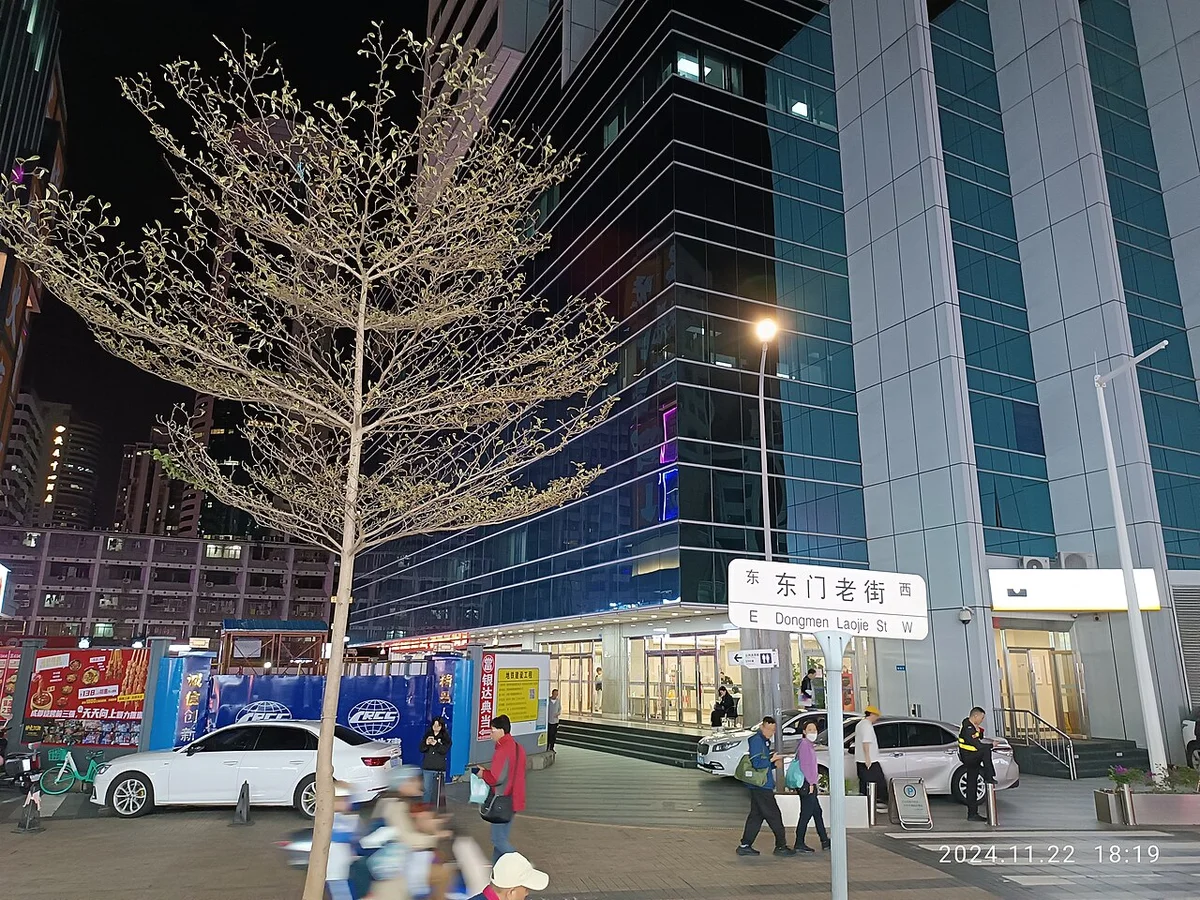
The short answer: day to day, it feels very safe
Here's my conclusion up front:
In China's cities, everyday street safety feels as good as — and in some situations better than — most places travelers come from.
The clearest example: in Shenzhen and Guangzhou, you'll see women walking alone at 11 p.m., looking at their phones, earbuds in, not paying any attention to their surroundings.
You rarely see that in many European or American cities, where just holding your phone on the street can make you a target for snatch theft. In Chinese cities, it's completely normal.
I often come home late at night myself, and in more than three years I've never once felt physically unsafe.
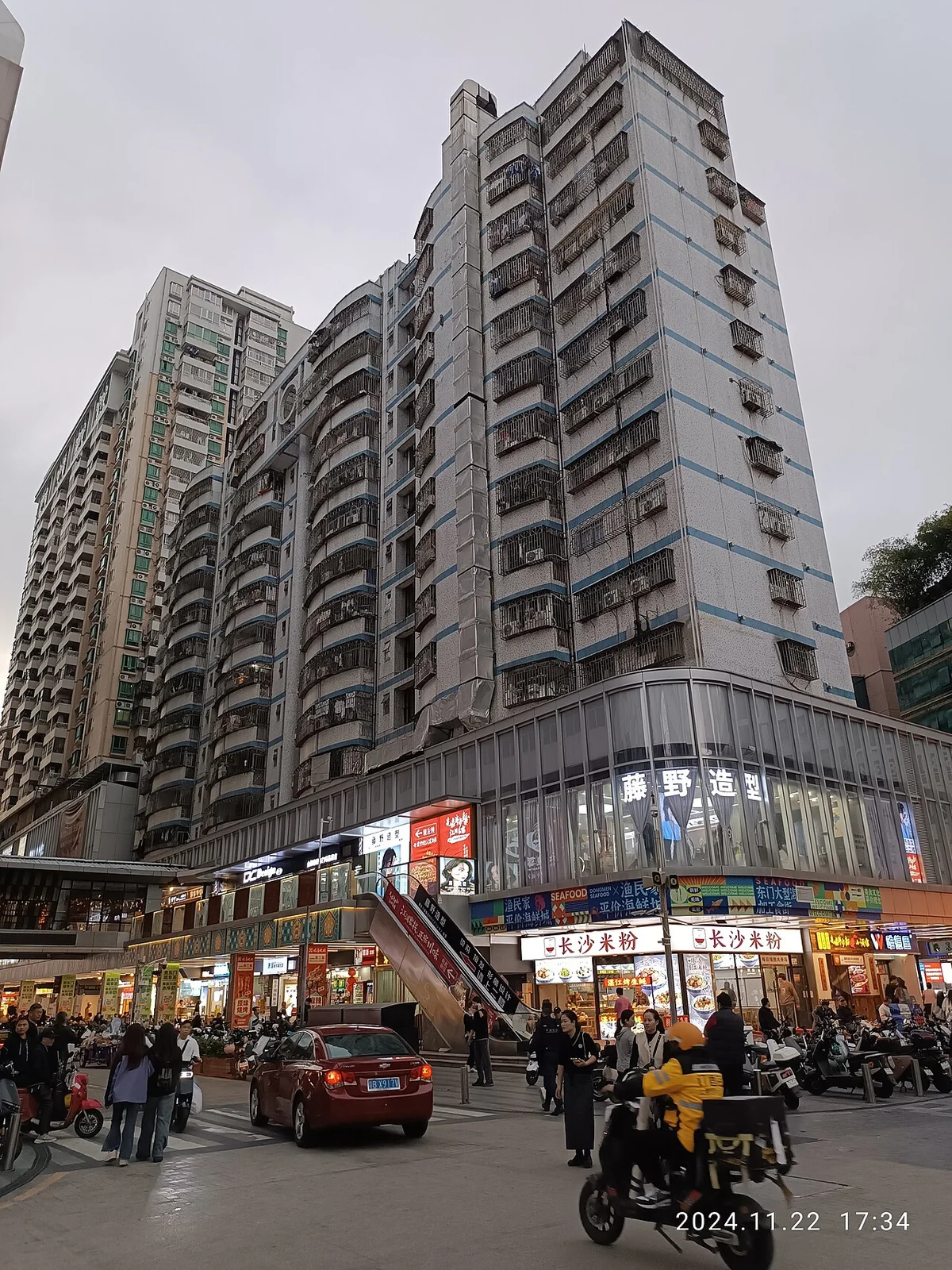
Of course, part of that may be because I'm a man and I know the local rules reasonably well. So I'll never say it's "100% safe."
But I can say this clearly: China is not a dangerous country you should hesitate to visit.
Why China feels so safe — 3 reasons
Why can people walk alone at night in a country many imagine as "a bit scary"? Knowing the reasons helps it make sense.
① There are cameras everywhere 📹
Walk around a Chinese city and you'll notice an incredible density of surveillance cameras: at intersections, along sidewalks, at mall entrances, apartment lobbies, even inside elevators.
If you see a box on a lamppost marked "公安监控" (public security surveillance), that's a police camera. You don't really need to look for the boxes, though — look around and you'll quickly see cameras everywhere 📹
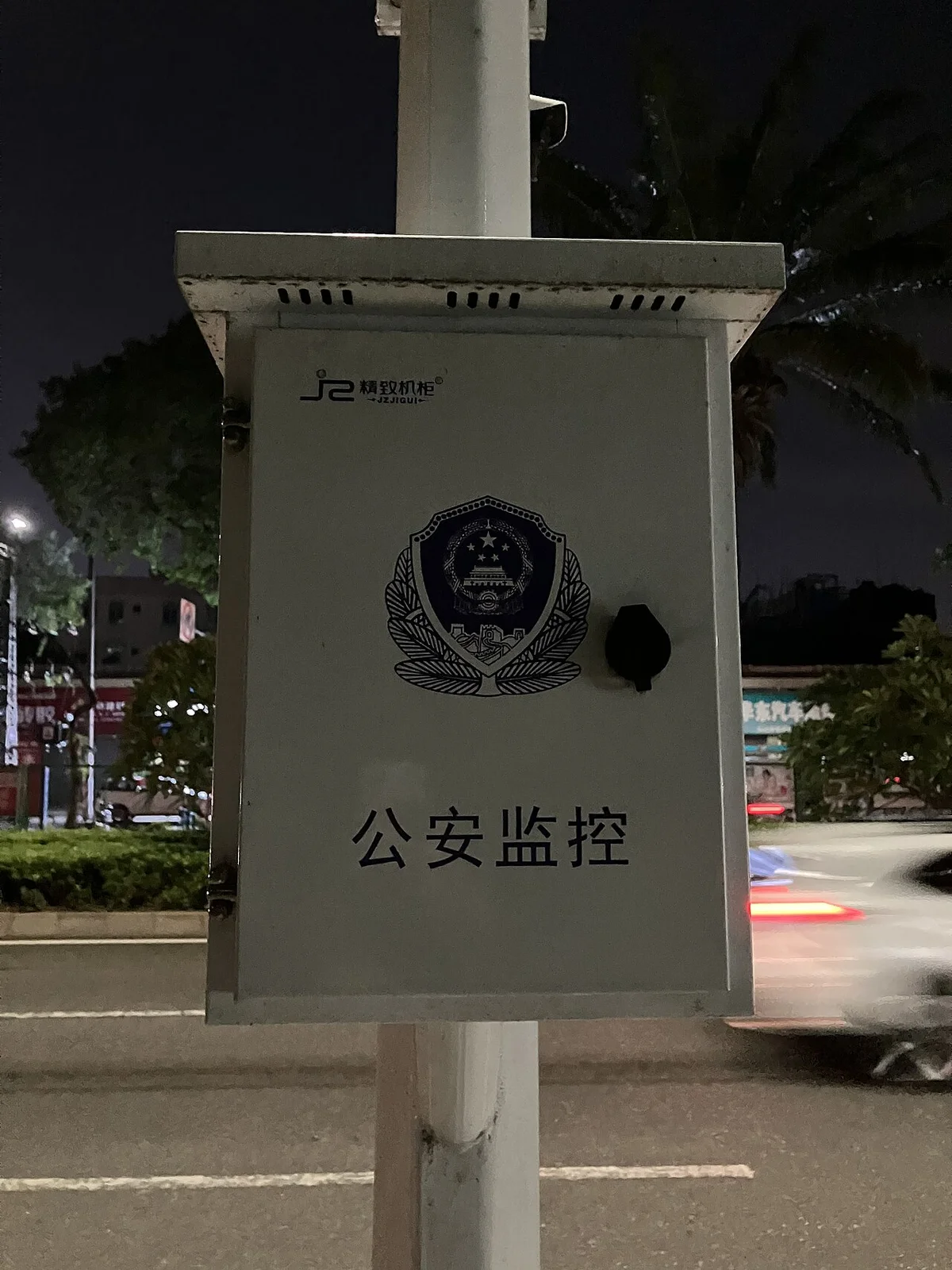
China's facial recognition technology is among the most advanced in the world, and combined with this camera network, committing a crime on the street and getting away with it is extremely difficult. It's simply not worth it, so people don't do it.
There's a lot to think about here in terms of privacy, but as a traveler, you're simply on the "protected" side of the system.
② Almost nobody carries cash 💳
This reason is rarely mentioned, but it's huge.
China is one of the most cashless societies in the world. Street food vendors, people handing out flyers — everyone uses QR code payments. In other words, there's almost no cash in people's pockets.
Snatch theft, pickpocketing and robbery are usually about cash. With cash nearly gone from everyday life, street crime has largely lost its payoff.
Steal a phone and it's locked by fingerprint, face ID and passcode. Reselling it is hard too, since accounts are tied to real names.
💡 How much cash you actually need is covered in Do You Need Cash in China? Money, Exchange and Credit Cards.
③ Everything is tied to your real identity 🪪
In China, almost every part of daily life is linked to an ID (for foreigners, your passport).
| Situation | ID registration |
|---|---|
| Buying a SIM card | Required |
| Hotel check-in | Required (passport) |
| High-speed rail and flight tickets | Required |
| Entering the metro | Bag security check |
| Paying with Alipay / WeChat Pay | Identity-verified accounts |
So there's very little room to act anonymously. Commit a crime and you're traced the moment you travel anywhere. That structure is a strong deterrent.
Bonus: every metro station has a bag check 🎒
This surprises everyone riding the metro in China for the first time: every station entrance has an airport-style X-ray bag scanner.
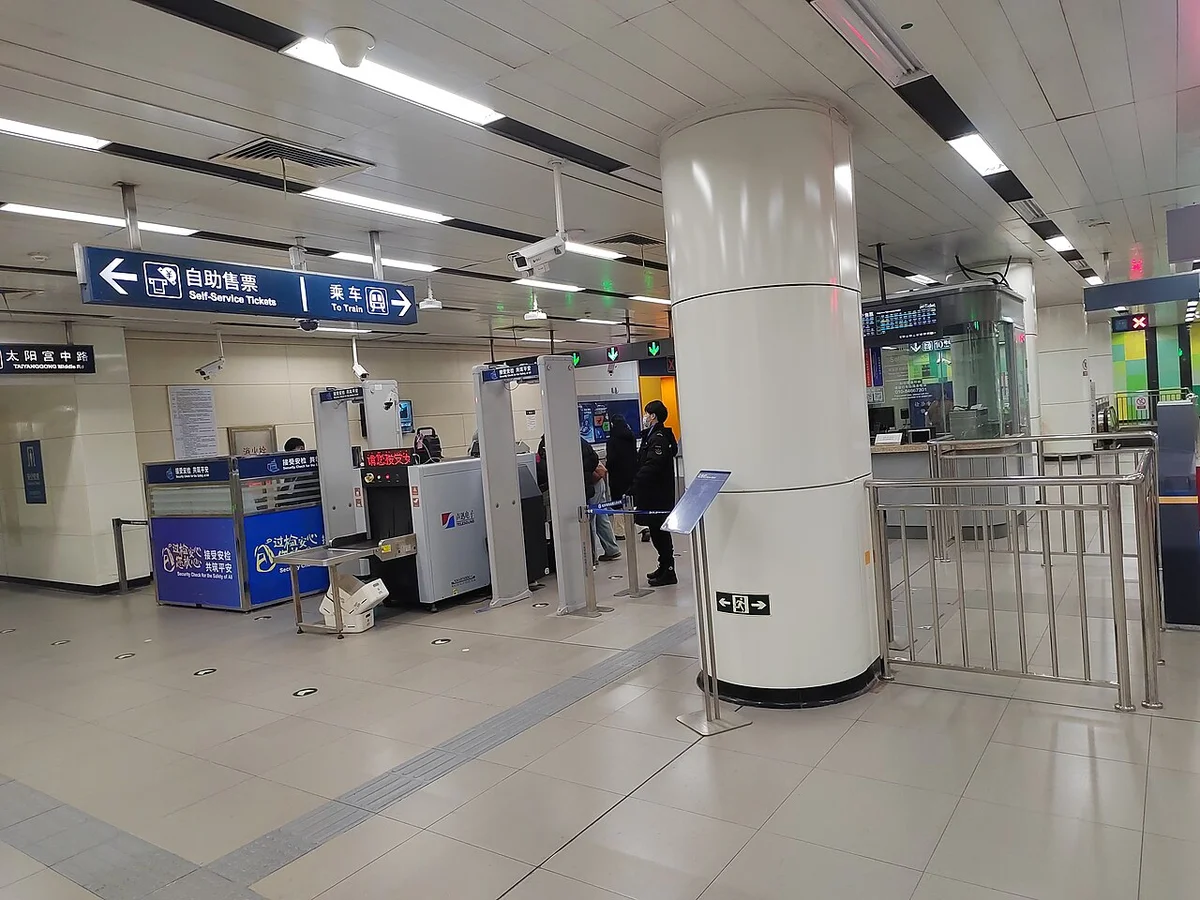
You put your backpack on the belt and walk through a metal detector. If you're carrying a drink, you may be asked to take a sip (to show it isn't dangerous).
It can feel like a hassle at first, but the lines move quickly — usually 10 to 20 seconds. The check helps keep dangerous items off the trains.
⚠️ E-cigarettes, power banks and large chargers sometimes get checked. They're almost never confiscated at the metro — staff just take a look. (Domestic flights are stricter: since June 2025, power banks without China's 3C certification mark are banned on domestic flights. Many power banks bought abroad don't have it, so check before you fly within China.)
6 things travelers really should watch out for
Now for the important part. "Safe" doesn't mean "nothing to watch out for" — there are definitely things to be careful about, and they're not what most people imagine.
① The biggest threat isn't crime — it's e-scooters 🛵
No joke: this is the most likely way for a visitor to get hurt in China.
Chinese streets are full of electric scooters (电动车). And they:
- Make no sound (they're electric, so you won't hear them coming from behind)
- Ride on sidewalks
- Ride against traffic
- Ignore traffic lights
- Sometimes have no lights on at night
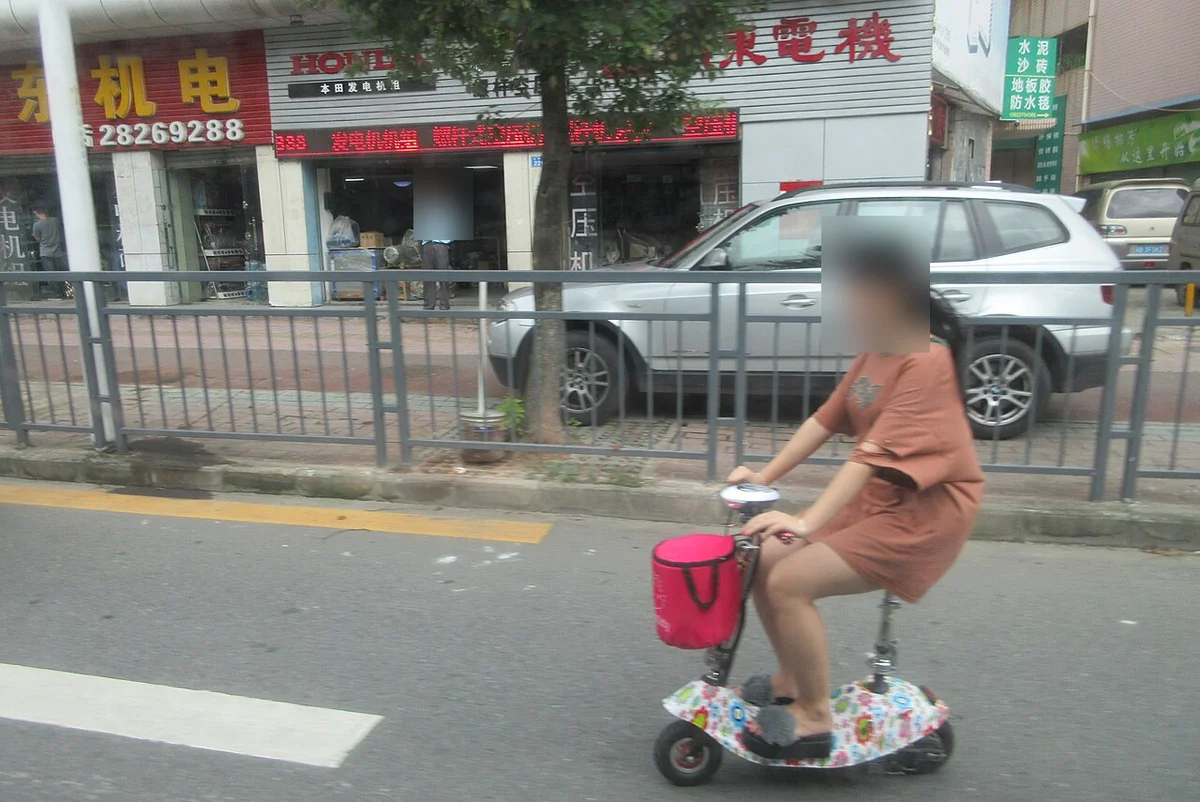
I've had plenty of close calls. The most dangerous moments are when you suddenly turn around on a sidewalk and when you're crossing on a green light. In China, cars can turn right even on red, and e-scooters sometimes don't look at the lights at all.
The fix is simple:
- Always look both ways, even on a green light
- Don't change direction suddenly on sidewalks (check behind you first)
- Avoid looking at your phone while walking
- Cross behind locals (the most reliable trick)
Instead of "it's safe, so I can relax," be about three times more alert about traffic than you would be at home. That's the mindset you actually need.
② Pickpockets and bag theft in crowds 👜
Crime isn't zero. In crowded places, be at least as careful as you would anywhere else.
Places to be especially careful:
- Tourist sights (the Bund, the Forbidden City, West Lake and other places with many foreign visitors)
- Long-distance bus stations and train station waiting halls
- Big holidays like Chinese New Year and National Day, when everywhere is packed
- Crowds at night markets
What to do:
- Wear your backpack on your front (locals do this in crowds too)
- Don't keep your phone in your back pocket
- Keep your passport on you or in the hotel safe — not loose in your room
- Don't save a table by leaving your bag on it in cafés or restaurants
③ Unlicensed taxis at airports and stations 🚕
This is more of a rip-off than a crime, but it's one of the most common problems travelers actually run into.
At airport arrival halls and outside big stations, people approach you saying "Taxi?" in English. They are almost certainly not licensed taxis, and they'll charge 3–5 times the normal fare.
The rule is simple: never get into a car with someone who approached you. Line up at the official taxi stand or use a ride-hailing app.
🚖 Foreigners can use DiDi through Alipay's mini program. The fare is shown upfront, so you won't get ripped off. See How to Use DiDi in China as a Foreigner.
④ The "tea house scam" ☕
It's an old trick, but it still happens — mostly in areas full of foreign tourists, like Nanjing Road East in Shanghai or Wangfujing in Beijing.
Here's how it goes:
Spotting it is easy: assume anyone who approaches you first and steers you to a specific place is running this scam. Invitations to massage parlors or art galleries follow the same pattern.
Ordinary Chinese people don't stop foreigners on the street and take them to shops. You don't need to feel bad about saying no 😌
⑤ Exchange money at banks or official counters 🏧
Counterfeit notes aren't as common as they used to be, but never exchange money at shady street booths or with people who approach you saying "换钱" (change money). The rate may look good, but you risk fake notes or being shortchanged.
The same goes for ATMs: as a rule, use ATMs inside bank branches. Avoid standalone ATMs on the street.
⑥ Photography and political topics 📵
This is less about "danger" and more about rules — but not knowing them can cause real trouble.
Don't photograph:
- Military facilities or military personnel
- Police officers or police vehicles (avoid shooting them head-on)
- Security screening areas at airports and stations
- Protests or confrontations
Topics to avoid:
- China's political system, Taiwan, Hong Kong, Xinjiang and Tibet
- Posting about Chinese politics on social media while you're there
These can cause trouble even if it's "by accident." That said, you'll almost never be told off for photos while sightseeing normally. Streets, food, the metro, scenery — feel free to shoot all of it 📸
Does your nationality matter?
Many people worry about this, so here's my honest take.
China's relations with different countries go up and down, and some governments advise their citizens to take extra care. For example, as of October 2026 the US State Department rates mainland China at Level 2: Exercise Increased Caution, citing arbitrary enforcement of local laws, exit bans and the risk of wrongful detention. Before you travel, check your own government's travel advice for China.
As a Japanese person, I'll be open about my own experience. Japan and China have a complicated history, and in 2024 there were tragic attacks on Japanese nationals in Suzhou and Shenzhen — including a Japanese schoolboy who was killed on his way to school in Shenzhen. These events can't be brushed aside, and they shocked me deeply. I also want to note that many Chinese people mourned the victims and left flowers.
At the same time, in daily life I don't hide that I'm Japanese — I film YouTube videos in Japanese and speak Japanese on the street — and I've almost never faced hostility. Far more often, people say things like "You're Japanese? I'd love to visit Japan."
So my honest feeling is that for an ordinary traveler, nationality is not an everyday risk — but it's wise to:
- Not talk loudly about politics in public places or restaurants
- Walk away from any confrontation (don't argue back, and don't film to provoke)
- Avoid demonstrations and large gatherings
- Register your trip with your embassy if your country offers it
In short: keep a low profile and don't get into arguments. It's not that different from how you'd behave in a nightlife district anywhere.
Is it safe for women traveling solo?
I get asked this a lot too.
My take: by global standards, China's cities are one of the easier places for women to travel solo. You'll see lots of Chinese women traveling alone, and in business cities like Shenzhen and Shanghai you can walk around comfortably at night.
A few tips:
- Choose mid-size or large chain hotels that accept foreign guests (safer, with better-trained staff)
- Use DiDi late at night and always check the license plate and driver photo before getting in
- Don't follow strangers into shops or bars (see the tea house scam above)
- Avoid walking at night in rural areas or quiet old town streets
🏨 How to tell which hotels accept foreigners: Can Foreigners Stay in Any Hotel in China?
Emergency contacts 📞
Save these on your phone, just in case:
| What | Number |
|---|---|
| Police | 110 |
| Ambulance | 120 |
| Fire | 119 |
| Traffic accidents | 122 |
Emergency lines generally operate in Chinese. If you can't speak Chinese, ask your hotel's front desk for help — it's the fastest option. Hotel staff often speak English and can make the call for you.
Also save the contact details of your country's embassy or consulate in China. They can help if you lose your passport or get into serious trouble. Check your government's official website for the current numbers before you leave.
And always get travel insurance. Chinese hospitals usually ask for payment upfront, and international clinics for foreigners can charge a lot even for a consultation. Insurance that comes with your credit card can work, but check the coverage limits and conditions before you go.
Summary
That was a lot, so here are the key points.
✅ What you can relax about
- Street crime in Chinese cities is very low, and walking alone at night is normal
- Cameras, cashless payments and real-name registration are strong deterrents
- Ordinary travelers rarely face hostility because of their nationality
⚠️ What you really need to watch
- E-scooters and traffic — realistically the biggest risk
- Pickpockets in crowds, unlicensed taxis at airports and stations, the tea house scam
- Places you shouldn't photograph, and political topics
📌 What to prepare
- Travel insurance
- Emergency numbers and your embassy's contact details saved on your phone
- Your government's latest travel advice for China
- A ride-hailing app (DiDi) set up before you leave
There's no need to be overly afraid of China. But it is a country that runs on different rules, and knowing those differences makes your trip so much smoother.
Know the facts, then relax and enjoy China 🇨🇳
📚 Read next
- How to Use DiDi in China as a Foreigner — set up ride-hailing to avoid unlicensed taxis
- Do You Need Cash in China? Money, Exchange and Credit Cards — how much cash to bring and how to exchange money and use ATMs safely
- Can Foreigners Stay in Any Hotel in China? — how to find hotels that accept foreigners, and what check-in is like
- China Entry Guide for Foreigners — visas, arrival cards and what happens at immigration
Information current as of October 2026. Travel advisories and rules can change — check official sources before you travel.
Image credits: Wikimedia Commons — Dongmen Old Street at night and Shenzhen street: TWMEAU rOEPPOUL (CC0) / police surveillance camera: メイド理世 (CC BY-SA 4.0) / metro security check: CNHowey (CC BY-SA 4.0) / electric scooters: HobisLAONG (CC BY-SA 4.0). People in the images have been blurred to protect their privacy.