"I have a translation app, so I don't need to learn any Chinese, right?"
Half right, half wrong 🤔
Translation apps are great, and I use one almost every day. But living in China, I've noticed that being able to say just a word or two yourself completely changes how people react.
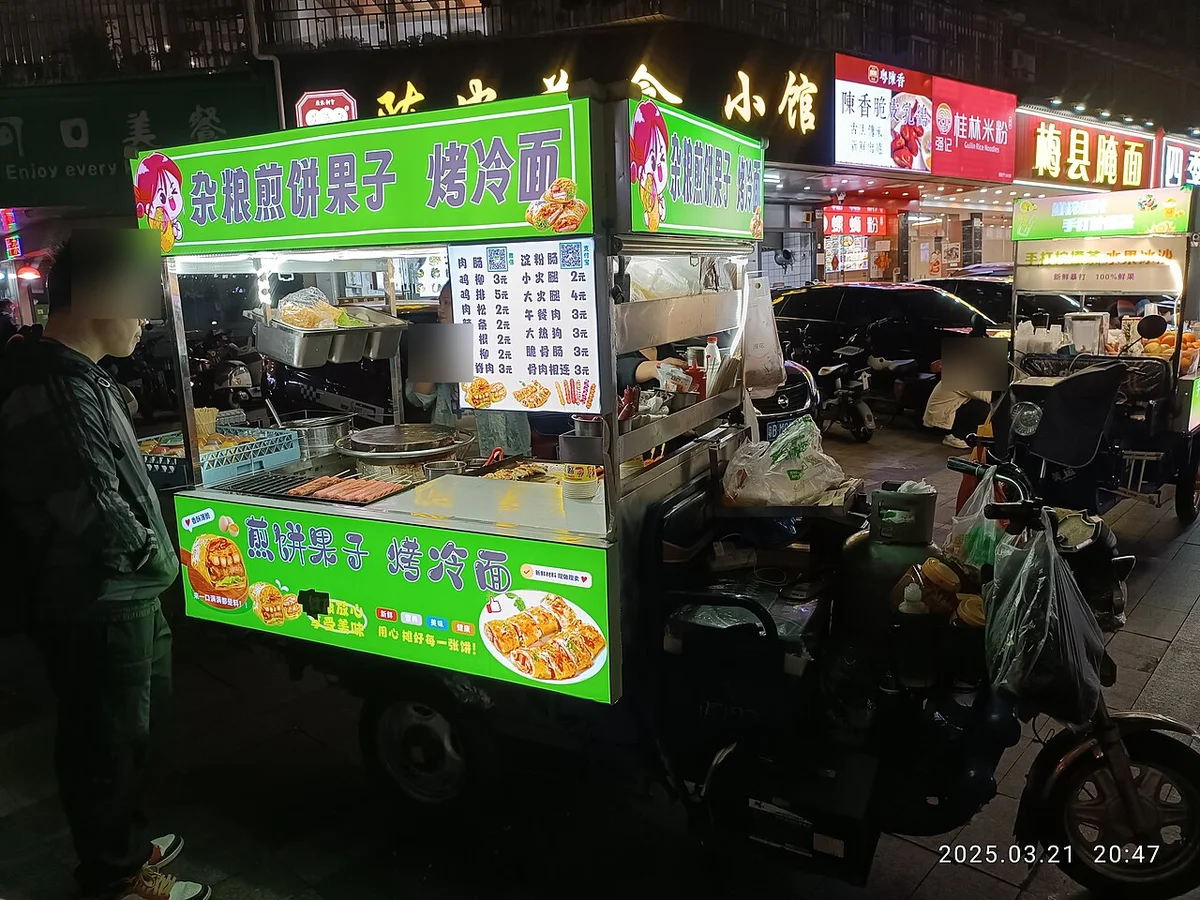
Say "多少钱?" (How much?) at a food stall and the vendor's face lights up. Say "停这里" (Stop here) in a taxi and you don't even need to take out your phone.
I'm 4G (Yongji), a Japanese YouTuber living in Shenzhen, and in this guide I've narrowed it down to the 30 Mandarin phrases you'll actually use on a trip to China. No grammar lessons — just phrases you can memorize and say as they are.
Each phrase comes with the characters, pinyin (the official romanization) and an easy "sounds like" guide for English speakers, so you can use them even if pinyin looks confusing at first 📝
First: aim for "good enough" pronunciation
Here's my main advice: don't try to make your Chinese pronunciation perfect. Just saying it out loud matters a hundred times more.
Tones: just know they exist
Mandarin has four tones — the pitch of a syllable changes its meaning. The same "ma" means different things depending on the tone.
| Tone | Mark | What it sounds like | Example |
|---|---|---|---|
| 1st tone | mā | High and flat (like singing one long note) | 妈 (mom) |
| 2nd tone | má | Rising (like asking "Huh?") | 麻 (numb) |
| 3rd tone | mǎ | Low, dipping, then rising a little | 马 (horse) |
| 4th tone | mà | Falling sharply (like a firm "No!") | 骂 (to scold) |
A famous example is 水饺 (shuǐjiǎo, boiled dumplings) vs 睡觉 (shuìjiào, to sleep). Get the tones wrong and "dumplings, please" turns into "I want to sleep" 😅
…But don't worry. In real life, the context (you're in a restaurant, at a shop) means you'll almost never be misunderstood. Nobody at a dumpling shop is going to show you to a bedroom.
Sounds English doesn't have — and why it's fine
Honestly, some Mandarin sounds have no exact English equivalent. The main ones:
- q — like "ch" in "cheese" (not a "k" sound!)
- x — like "sh" in "she"
- zh — like "j" in "jerk", with the tongue curled back
- c — like "ts" in "cats"
- z — like "ds" in "kids"
- r — somewhere between "r" in "run" and "s" in "pleasure"
- ü — say "ee" while rounding your lips (like German "ü" or French "u")
The "sounds like" spellings in this guide are the closest English approximations that get understood. They aren't perfect, but they work. That's enough to start 👌
Situation ①: Greetings and basic reactions (5 phrases)
These are the ones you'll use most. Just these five will change the feel of your trip.
| Chinese (pinyin) | Sounds like | Meaning |
|---|---|---|
| 你好 (nǐ hǎo) | nee how | Hello |
| 谢谢 (xièxie) | shyeh-shyeh | Thank you |
| 不好意思 (bù hǎoyìsi) | boo how-ee-suh | Excuse me / Sorry |
| 好的 (hǎo de) | how duh | Yes / OK |
| 不用了 (bú yòng le) | boo yong luh | No thanks / I'm fine |
How to use them:
- 你好 means "hello," but it's also how you call a server — raise your hand and say "Nǐ hǎo!"
- 不好意思 is incredibly versatile, like "excuse me" and "sorry" rolled into one. Bump into someone, need to get past, want to ask something — use this.
- 不用了 is the go-to for turning down touts and sales pitches. No need to be harsh: smile and say "boo yong luh" and that's it.
💡 The reply to "thank you" is 不客气 (bú kèqi, "boo kuh-chee") — "you're welcome." Saying it sounds pretty cool 😊
Situation ②: Telling people about yourself (4 phrases)
If you can say "I don't speak Chinese" in Chinese, people instantly switch modes to help you.
| Chinese (pinyin) | Sounds like | Meaning |
|---|---|---|
| 我是人 (wǒ shì rén) | waw shir ___ run | I'm from (I'm ) |
| 我不会说中文 (wǒ bú huì shuō Zhōngwén) | waw boo hway shwaw jong-wun | I can't speak Chinese |
| 我听不懂 (wǒ tīng bu dǒng) | waw ting boo dong | I don't understand (what you said) |
| 请说慢一点 (qǐng shuō màn yìdiǎn) | ching shwaw man ee-dyen | Please speak a bit more slowly |
Fill in the blank with your country:
- American → 美国人 (Měiguórén, "may-gwaw-run")
- British → 英国人 (Yīngguórén, "ying-gwaw-run")
- Canadian → 加拿大人 (Jiānádàrén, "jyah-nah-dah-run")
- Australian → 澳大利亚人 (Àodàlìyàrén, "aow-dah-lee-yah-run")
Say this and many people will pull out a translation app on their phone or switch to gestures. The biggest benefit is avoiding that awkward moment where nobody understands each other.
Situation ③: Shopping and paying (5 phrases)
| Chinese (pinyin) | Sounds like | Meaning |
|---|---|---|
| 多少钱? (duōshao qián) | dwaw-shaow chyen | How much is it? |
| 我要这个 (wǒ yào zhège) | waw yaow juh-guh | I'll take this one |
| 太贵了 (tài guì le) | tie gway luh | That's too expensive |
| 便宜一点 (piányi yìdiǎn) | pyen-ee ee-dyen | A little cheaper, please |
| 可以用支付宝吗? (kěyǐ yòng Zhīfùbǎo ma) | kuh-ee yong jir-foo-baow mah | Can I pay with Alipay? |
How to use them:
- 我要这个 + pointing works in any shop. It might be the single most powerful phrase for traveling in China.
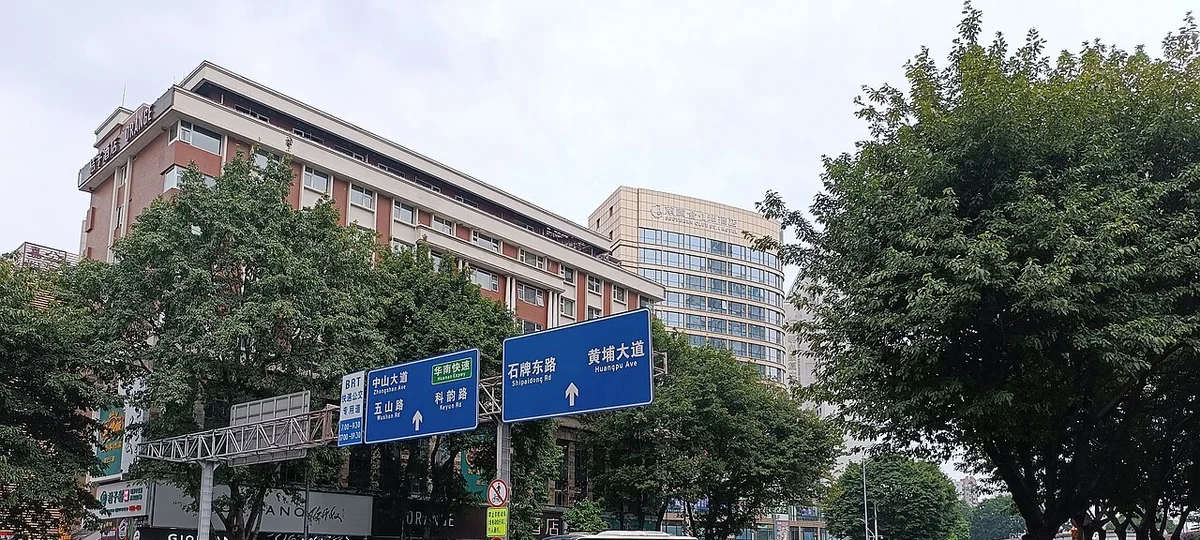
- Haggling only works at souvenir shops and markets in tourist areas. It doesn't work at supermarkets, convenience stores or chains (fixed prices).
- Ask 可以用支付宝吗? and almost every shop will answer "可以" (kěyǐ, "kuh-ee") — "Sure." China is so cashless that you often don't even need to ask 😌
💳 How to set up Alipay: How to Use Alipay in China as a Foreigner. Make sure you do it before you fly.
Situation ④: At restaurants (7 phrases)
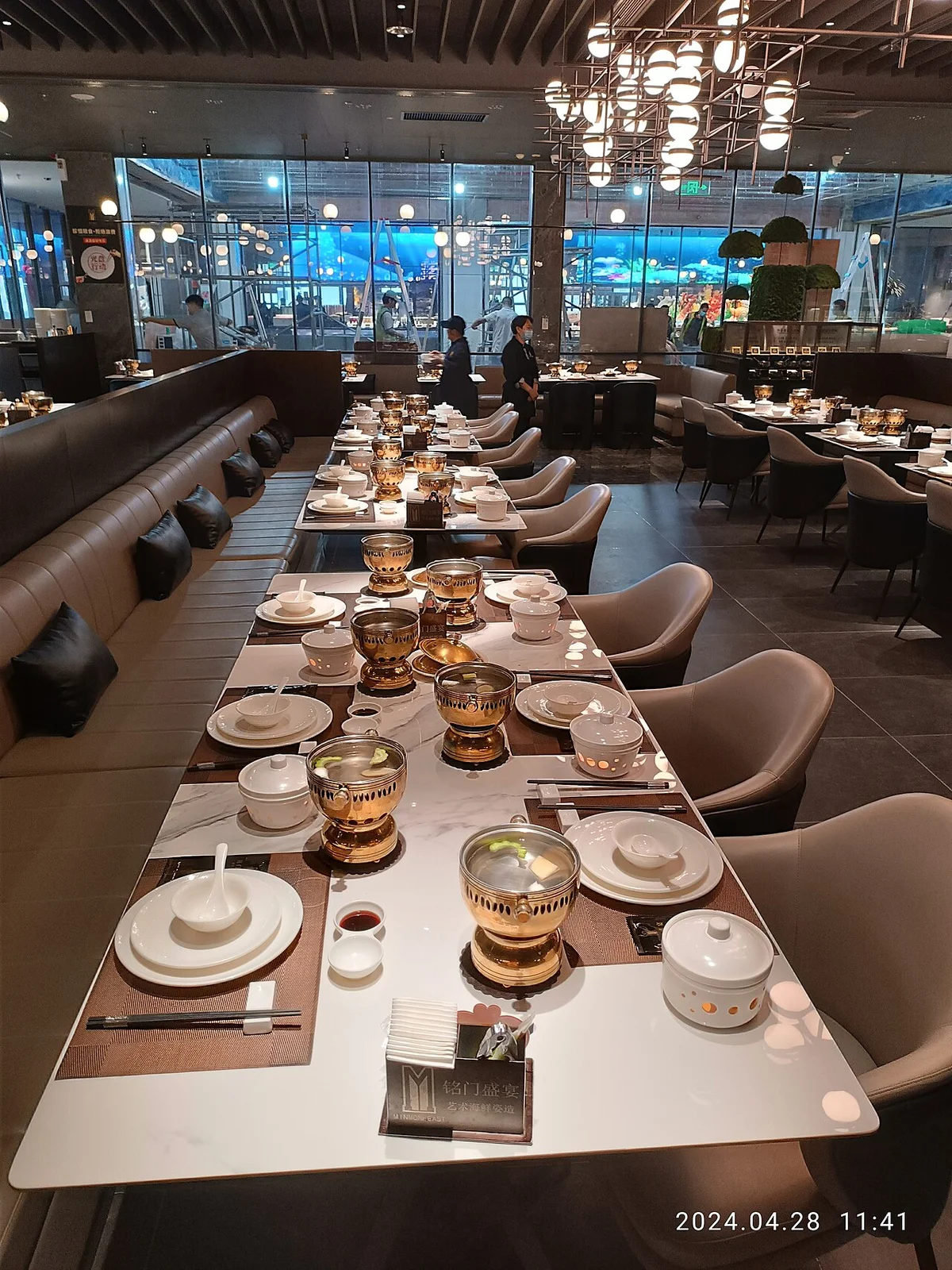
Restaurants are where you'll need Chinese the most 🍜
| Chinese (pinyin) | Sounds like | Meaning |
|---|---|---|
| 两个人 (liǎng ge rén) | lyahng guh run | Two people |
| 有英文菜单吗? (yǒu Yīngwén càidān ma) | yo ying-wun tsai-dahn mah | Do you have an English menu? |
| 这个 (zhège) | juh-guh | This one (while pointing) |
| 不要辣 (bú yào là) | boo yaow lah | Not spicy, please |
| 不要香菜 (bú yào xiāngcài) | boo yaow shyahng-tsai | No cilantro, please |
| 好吃 (hǎochī) | how chir | Delicious |
| 买单 (mǎidān) | my-dahn | The bill, please |
How to say the number of people (you'll almost always be asked when you walk in):
- 1 person → 一个人 (yí ge rén, "ee guh run")
- 2 people → 两个人 (liǎng ge rén, "lyahng guh run") — note: not "二个人"
- 3 people → 三个人 (sān ge rén, "sahn guh run")
Good to know:
- 不要香菜 (no cilantro) is a lifesaver if you can't stand cilantro. It goes into a surprising number of dishes in China 🌿
- 不要辣 matters just as much. At Sichuan or Hunan restaurants, even "微辣" (mild) can be very spicy by most visitors' standards.
- Say 好吃 and the staff will be genuinely happy. A thumbs-up and "how chir!" is perfect 👍
🍽️ These days many Chinese restaurants have you order by scanning a QR code on the table instead of calling a server. See How to Order with a QR Code in Chinese Restaurants.
⚠️ How (not) to call a server
Old textbooks teach "小姐" (xiǎojiě, "miss"), but in mainland China today it's best avoided — depending on the region and context, it can come across as rude.
Use these instead:
| What to say | Sounds like | Who for |
|---|---|---|
| 你好 | nee how | Anyone. The safest option |
| 服务员 | foo-woo-ywen | Restaurant staff |
| 美女 | may-nyoo | Young female staff (friendly) |
| 帅哥 | shwai-guh | Young male staff (friendly) |
When in doubt, raise your hand and say "Nǐ hǎo!" That solves everything.
Situation ⑤: Getting around, taxis and asking the way (5 phrases)
| Chinese (pinyin) | Sounds like | Meaning |
|---|---|---|
| 去这里 (qù zhèlǐ) | chyoo juh-lee | Please go here (while showing your screen) |
| 洗手间在哪里? (xǐshǒujiān zài nǎlǐ) | shee-show-jyen dzai nah-lee | Where's the restroom? |
| 地铁站在哪里? (dìtiězhàn zài nǎlǐ) | dee-tyeh-jahn dzai nah-lee | Where's the metro station? |
| 停这里 (tíng zhèlǐ) | ting juh-lee | Stop here, please |
| 多长时间? (duō cháng shíjiān) | dwaw chahng shir-jyen | How long does it take? |
The never-fail taxi method:
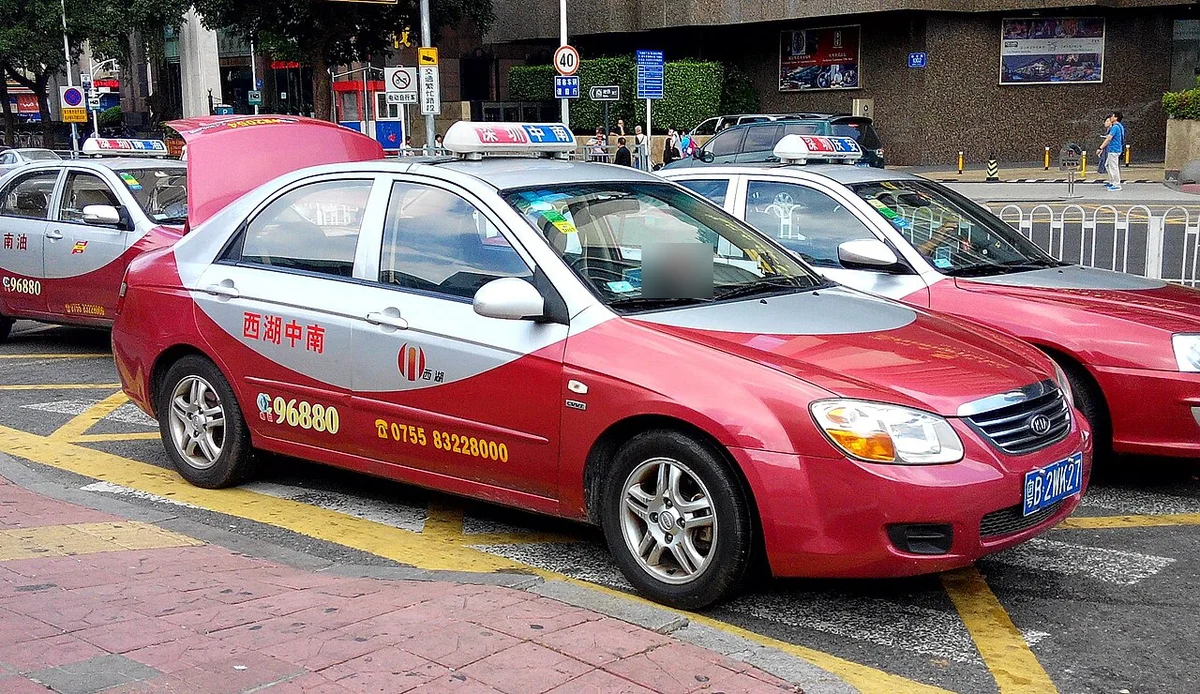
Don't try to explain the destination out loud. Open the destination in a map app, show the screen and say "去这里." That's it. Even if your pronunciation is off, you're showing the screen, so it works every time 📱
🚕 With a ride-hailing app you don't even need to talk about the destination. Foreigners can use DiDi through Alipay, and the fare is fixed upfront. See How to Use DiDi in China as a Foreigner.
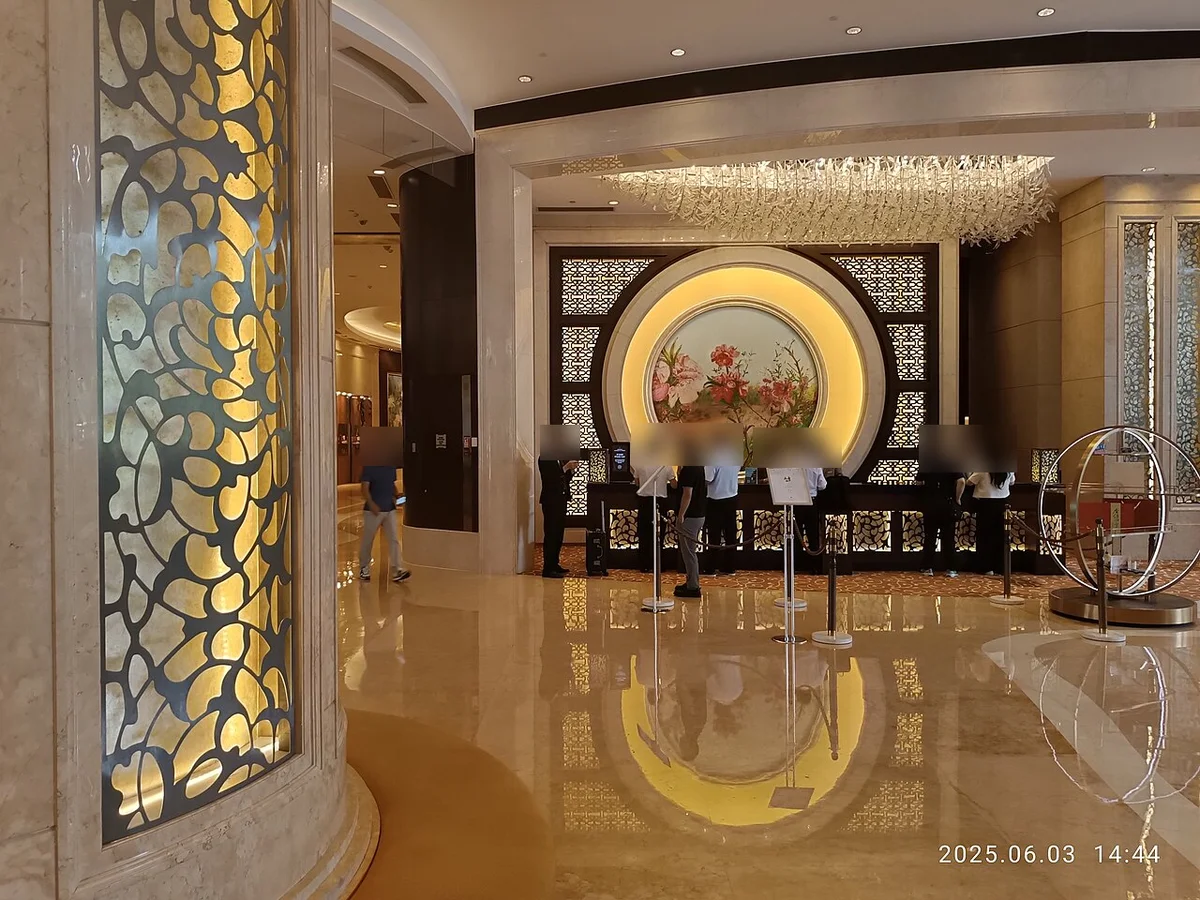
Situation ⑥: Hotels and when you need help (4 phrases)
| Chinese (pinyin) | Sounds like | Meaning |
|---|---|---|
| 我要办理入住 (wǒ yào bànlǐ rùzhù) | waw yaow bahn-lee roo-joo | I'd like to check in |
| 有Wi-Fi吗? (yǒu Wi-Fi ma) | yo why-fy mah | Is there Wi-Fi? |
| 请帮我 (qǐng bāng wǒ) | ching bahng waw | Please help me |
| 救命! (jiùmìng) | jyo-ming | Help! (emergency) |
Notes:
- At check-in, hand over your passport and you'll barely need to talk. Say "我要办理入住," hand over your passport, and the staff will take it from there.
- 请帮我 works for all kinds of problems: you're lost, your luggage is stuck, you can't figure out a machine. People in China are genuinely helpful when you ask.
- Hopefully you'll never need 救命!, but if you don't know it, it won't come to you when you really need it. Remember it as a short, strong shout.
🏨 In China, some hotels can host foreign guests and some can't. How to tell when booking: Can Foreigners Stay in Any Hotel in China?
Bonus: numbers and money 💰
Being able to catch prices gives you so much more freedom.
| Number | Chinese | Sounds like |
|---|---|---|
| 1 | 一 (yī) | ee |
| 2 | 二 (èr) | ar |
| 3 | 三 (sān) | sahn |
| 4 | 四 (sì) | suh |
| 5 | 五 (wǔ) | woo |
| 6 | 六 (liù) | lyo |
| 7 | 七 (qī) | chee |
| 8 | 八 (bā) | bah |
| 9 | 九 (jiǔ) | jyo |
| 10 | 十 (shí) | shir |
For money, people say "块" (kuài, "kwai").
Textbooks teach "元" (yuán), but in everyday speech almost everyone says "块."
- 15 yuan → 十五块 (shíwǔ kuài, "shir-woo kwai")
- 30 yuan → 三十块 (sānshí kuài, "sahn-shir kwai")
- 100 yuan → 一百块 (yìbǎi kuài, "ee-bye kwai")
Watch out for Chinese hand signs for numbers ✋
This will definitely confuse you if you don't know it. In China, people show 1 to 10 with one hand, and from 6 up the signs are completely different from what you're used to.
| Number | Hand sign |
|---|---|
| 1–5 | Same as usual (number of fingers) |
| 6 | Thumb and pinky out (the "hang loose" / phone sign 🤙) |
| 7 | Fingertips of thumb, index and middle finger pinched together |
| 8 | Thumb and index finger out in an L (like a finger gun) |
| 9 | Index finger bent into a hook |
| 10 | Index fingers crossed, or a closed fist |
When a market vendor makes the "finger gun" for 8 yuan, many visitors think it means 2. I didn't get it at first either 😅
When you're still not understood: 3 backup tricks
Even with 30 phrases, there will be times you're not understood. Have these ready.
⚠️ Google Translate doesn't work in China without a VPN. Install a translation app that works in China before you go, or prepare a VPN. See The Best Translation Apps for China and 6 Things to Know Before Traveling to China.
If you remember only 5, make it these
Thirty is a lot? Here are the five to prioritize.
| Rank | Phrase | Sounds like | Why you need it |
|---|---|---|---|
| 1 | 你好 | nee how | Greeting + calling staff + starting any conversation |
| 2 | 谢谢 | shyeh-shyeh | Nobody minds hearing it |
| 3 | 我要这个 | waw yaow juh-guh | Combine with pointing and you can buy anything |
| 4 | 多少钱? | dwaw-shaow chyen | No more worrying about prices |
| 5 | 不用了 | boo yong luh | If you can't say no, travel gets tiring |
Repeat these five to yourself on the way from the airport to your hotel and you'll get to use every one of them that same day.
Summary
✅ Key points
- 30 phrases are enough for a trip to China
- Your pronunciation doesn't need to be perfect — context makes it work
- Don't say "小姐." When in doubt, say "你好"
- Chinese number hand signs are different — watch out for 6 to 10
- For money, people say "块 (kwai)", not "元"
📌 What to prepare
- Bookmark this page on your phone (screenshots are handy so you can check offline 📸)
- Install a translation app that works in China before you go
- Practice showing your destination on a map app
Chinese is a language where even a few words show that you made the effort. If you get the pronunciation wrong, people might laugh, but they'll almost never look down on you. In fact, they'll be happy.
Don't aim for perfect — just start speaking. That alone makes a trip to China so much more fun 🇨🇳
📚 Read next
- How to Use Alipay in China as a Foreigner — once you can pay, you need to talk far less
- How to Order with a QR Code in Chinese Restaurants — order and pay without talking to staff
- How to Use DiDi in China as a Foreigner — call a car without explaining where you're going
- How to Use Dianping in China — find great restaurants even if you can't read Chinese
Image credits: Wikimedia Commons — Shenzhen food stall: MiaMOOA Mukazz (CC0) / Guangzhou road signs: KWUGN Mingsa MaMau (CC0) / Shenzhen restaurant: OA22S 8LOUBK TCHrpAQU (CC0) / Shenzhen taxi: Wahsaw (CC0) / Shenzhen hotel lobby: WAOSNMAH wocnaprm (CC0). People in the images have been blurred to protect their privacy.