"So how much money do I actually need for a trip to China?"
I get asked this constantly, in YouTube comments and by friends 💬
With visa-free entry now available for many nationalities, China has become much easier to visit. But plenty of people still aren't sure of the overall cost: "I've heard China is cheap, but is it really?"
I'm 4G (Yongji), a Japanese YouTuber living in Shenzhen, and I often help friends visiting from abroad plan their trips. In this article I'll break down the on-the-ground costs of a 3-night, 4-day solo trip to Shanghai, item by item.
Flights depend so much on where you're flying from that I've left them out of the totals — I'll give some tips on them separately.
The short answer: about US$270 on a tight budget, about US$540 for a standard trip (per person, excluding flights) 😊

💰 The bottom line — roughly US$270 to US$1,150 for 3 nights (excluding flights)
Here's the big picture, in three travel styles:
| Item | 🎒 Budget | 🧳 Standard | ✨ Comfortable |
|---|---|---|---|
| 🏨 Hotel (3 nights) | ~900 yuan | ~1,500 yuan | ~3,600 yuan |
| 🍜 Food (4 days) | ~400 yuan | ~800 yuan | ~1,600 yuan |
| 🚇 Local transport | ~150 yuan | ~300 yuan | ~600 yuan |
| 🎫 Sightseeing / tickets | ~100 yuan | ~400 yuan | ~800 yuan |
| 📶 Mobile data (eSIM etc.) | ~70 yuan | ~140 yuan | ~140 yuan |
| 🎁 Souvenirs / shopping | ~200 yuan | ~500 yuan | ~1,000 yuan |
| Total | ~1,800 yuan (~US$270 / €230) | ~3,600 yuan (~US$540 / €460) | ~7,700 yuan (~US$1,150 / €990) |
In every style, the hotel is the biggest single cost on the ground. The money you spend locally on food, transport and sightseeing is lower than many people expect.
Let's go through each item.
✈️ Flights — the biggest variable (not in the totals)
Your total budget is largely decided by how much you pay for your flight, and that depends completely on where you're flying from — so I haven't included it above. A few tips that apply everywhere:
| Tip | Why |
|---|---|
| 🔴 Avoid Chinese holidays | Fares and hotel prices jump around Chinese New Year (late Jan–Feb) and National Day (Oct 1–7) |
| 🟢 Compare total prices | Include taxes, fuel surcharges and checked bags, especially on budget airlines |
| 🔵 Check routes via hubs | Flying into a big hub (Shanghai, Beijing, Guangzhou, Hong Kong) is often cheaper than flying direct to a smaller city |
🏨 Hotels — 300–500 yuan a night is the sweet spot

Compared with many Western cities, Chinese hotels often give you a noticeably better room for the same price.
| Level | Per night (approx.) | Good for |
|---|---|---|
| 🏠 Economy (Ji Hotel, Hanting, etc.) | 250–400 yuan (~US$35–60) | Just somewhere clean to sleep, as cheap as possible |
| 🏨 Mid-range (Atour, Hyatt Place, Holiday Inn, etc.) | 450–800 yuan (~US$65–120) | A good balance of comfort and price |
| 🌟 Upscale (international 5-star etc.) | 1,200+ yuan (~US$180+) | Enjoying the views and facilities |
One important point: very cheap hotels sometimes don't accept foreigners. Hotels in China need to be registered with the authorities to host foreign guests, and some small local guesthouses will turn you away even if you booked with your passport.
My recommendation is a chain hotel at about 300–500 yuan a night. They're clean and used to foreign guests. I explain how to choose and check in in Can Foreigners Stay in Any Hotel in China?.
🍜 Food — 100 yuan a day goes a long way
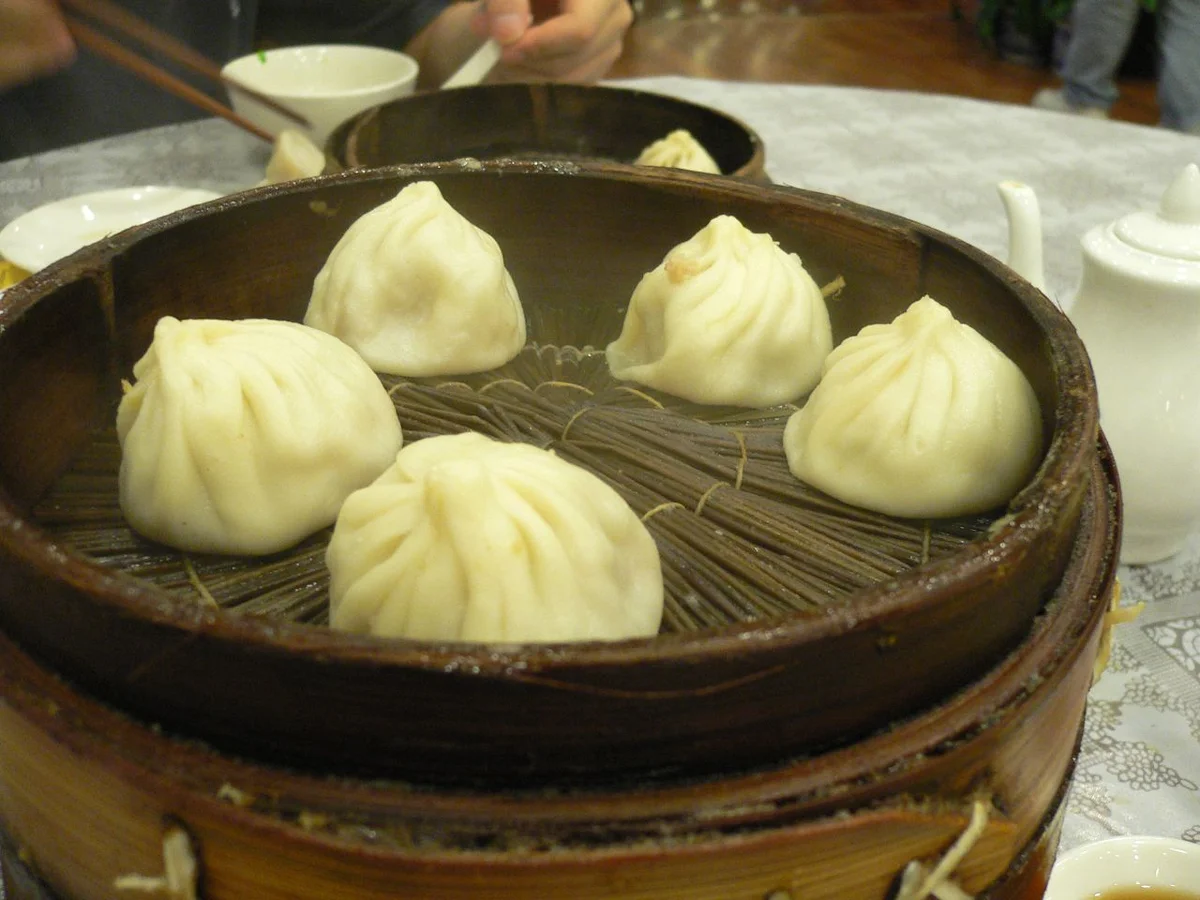
Food is where China feels cheapest. Here's a rough idea based on what I eat day to day in Shenzhen:
| Meal | Typical price |
|---|---|
| 🥟 Breakfast (buns, soy milk, noodles) | 10–20 yuan (~US$1.50–3) |
| 🍜 Lunch at a local diner (noodles, set meal) | 20–40 yuan (~US$3–6) |
| 🥢 Xiaolongbao (one basket) | 20–60 yuan (depends on the shop; famous places are pricier) |
| 🍲 Hot pot or restaurant dinner | 100–200 yuan per person (~US$15–30) |
| ☕ Café (Luckin Coffee etc.) | 10–20 yuan (~US$1.50–3) |
| ☕ Starbucks latte | Around 30–40 yuan (~US$4.50–6) |
| 🥤 Water or soft drink at a convenience store | 3–6 yuan (under US$1) |
Eat mainly at local diners and 100 yuan (about US$15) a day will fill you up. On the other hand, Starbucks and international restaurants cost much the same as in Western cities. "Everything in China is cheap" isn't quite true — remember that.
For finding places to eat, Dianping (大众点评) is very useful. It shows the average spend per person, which helps with budgeting too 😊
🚇 Local transport — amazingly cheap if you use the metro
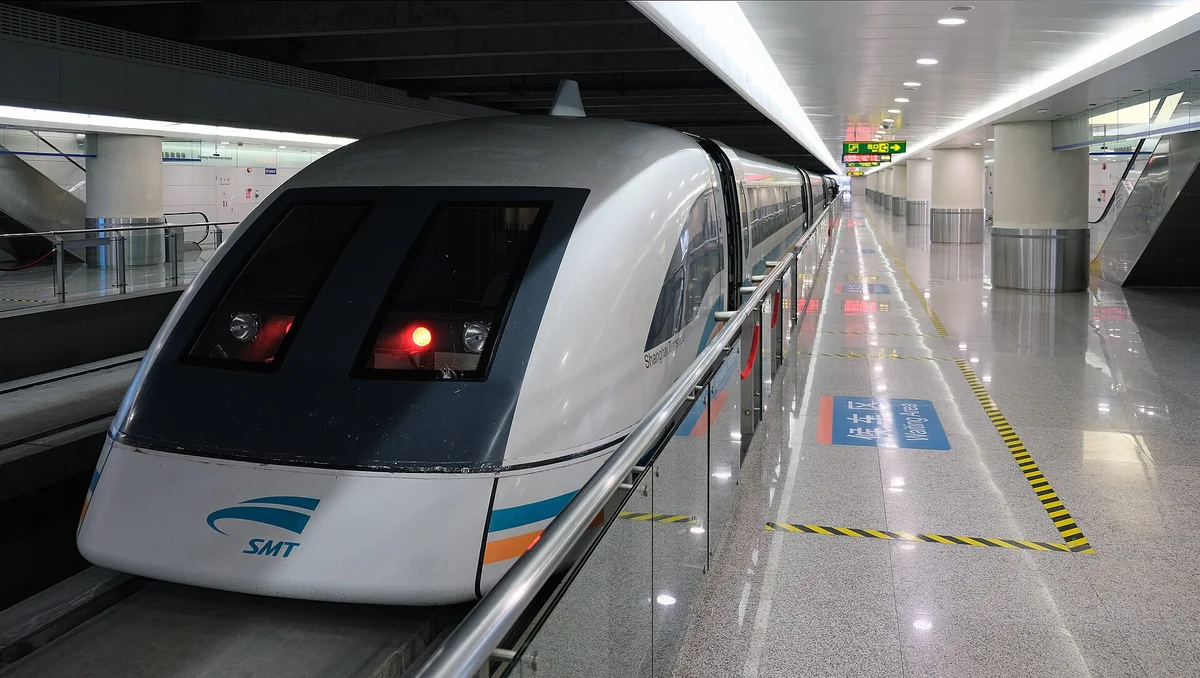
Getting around China is very cheap:
| Transport | Typical price |
|---|---|
| 🚇 Metro | 3–8 yuan per ride (under US$1.20) |
| 🚕 DiDi / taxi (short city ride) | 15–40 yuan (~US$2–6) |
| 🚄 Shanghai Maglev (Pudong Airport – Longyang Road) | 50 yuan one way (~US$7.50); 40 yuan with a same-day air ticket |
| 🚇 Metro (Pudong Airport – city center) | Around 7–8 yuan (~US$1) |
| 🚕 Taxi (Pudong Airport – city center) | Around 150–250 yuan (~US$22–37) |
For getting around the city, use the metro and call a DiDi when you're tired. Mostly by metro, 3 nights of transport comes to about 150 yuan (about US$22).
From the airport: metro if you're saving money, Maglev if you're short on time. Hitting around 300 km/h, the Maglev is an attraction in itself — worth riding once 🚄
🎫 Sightseeing — lots of it is free
Prices at some of Shanghai's main sights:
| Sight | Price |
|---|---|
| 🌃 The Bund at night | Free |
| 🛍️ Walking Nanjing East Road and Xintiandi | Free |
| 🏯 Yu Garden (garden area) | Around 40 yuan (~US$6) |
| 🏙️ Shanghai Tower observation deck | 180 yuan (~US$27) |
Shanghai is a great city just to walk around, so you can enjoy it without spending much on tickets. Limit paid attractions to one or two a day and your budget becomes easy to predict.
Many tickets can be bought in advance via Alipay mini-programs or Trip.com, which saves queuing at the ticket office too.
📶 Data, insurance and other costs
Small costs that are easy to forget:
- 📶 Mobile data (eSIM / roaming): a travel eSIM costs roughly US$10–30 for a week. Roaming costs depend on your carrier (see China SIM vs eSIM vs Roaming)
- 🛡️ Travel insurance: depends on your country and provider — some credit cards include it
- 🛂 Visa: free for many nationalities with visa-free entry, but required for others. Check the rules for your passport in Arriving in China: The Complete Immigration Guide
- 💳 Card fees: if you link a foreign card to Alipay, payments above a certain amount may carry a fee. Check the latest conditions in the app
💴 How much cash should you bring?
China is a cashless society, so you'll pay for almost everything with Alipay (支付宝). Still, it's reassuring to carry a little cash in case your phone dies or an app misbehaves.
For 3 nights, 300–500 yuan (about US$45–75) in cash is plenty. The on-the-ground costs above assume you're mostly paying by card through Alipay.
I explain when and where to exchange money in Do You Need Cash in China?.
💡 5 tips to keep your China trip cheaper
Finally, some resident's tips for saving money:
- 📅 Avoid Chinese holidays — around National Day (Oct 1–7) and Chinese New Year, flights and hotels get much more expensive
- ✈️ Watch for airline sales — and consider flying into a big hub or Hong Kong
- 🏨 Travel with someone — splitting the hotel brings the per-person cost down a lot
- 🍜 Eat at local diners — places one street away from the tourist spots are often cheap and delicious
- 🚇 Use the metro as your main transport — no traffic jams, cheap, and it reaches almost every sight
❓ FAQ
Q. Is China cheaper than my home country? A. It depends what you're buying. Local food, the metro and taxis are very cheap. Starbucks, international hotels and brand-name goods cost about the same as in Western countries, or sometimes more.
Q. What about 2 nights, or 4 nights? A. Your flight costs about the same, so each extra night adds "one night's hotel + a day of food and transport". On the standard style, that's roughly 600–700 yuan (about US$90–105) per extra night.
Q. Do costs change in other cities, like Beijing or Shenzhen? A. Local prices are about the same in the big cities — Beijing, Shanghai, Shenzhen and Guangzhou. The bigger difference is usually flights: smaller cities have fewer international connections, so getting there can cost more.
Q. Is a package tour or doing it yourself cheaper? A. Booking flights and hotels yourself is usually cheaper. But if you're nervous about your first trip to China, a flight + hotel package is a fine place to start.
✅ Summary
- 💰 On the ground, 3 nights costs about US$270 (budget), US$540 (standard) or US$1,150 (comfortable), excluding flights
- ✈️ Flights depend on where you start — avoid Chinese holidays and compare total prices
- 🏨 Chain hotels at 300–500 yuan a night are the best balance of value and peace of mind
- 🍜 100–200 yuan a day is plenty for food. Local diners are very cheap
- 🚇 Mostly by metro, 3 nights of transport costs about 150 yuan
- 🛂 Check whether you need a visa. Bring 300–500 yuan in cash as a backup
With a bit of planning, a trip to China can be more affordable than you'd think. Use these numbers to put together your own plan 😊
📚 Read next
- 🎒 6 Things You Must Know Before Traveling to China — internet restrictions, payments, toilets, plugs and more to know before you go
- 💴 Do You Need Cash in China? — how much cash to carry, and where to exchange it
- 🏨 Can Foreigners Stay in Any Hotel in China? — how to choose a hotel that accepts foreign guests
Prices are approximate as of October 2026. Flights, hotels, admission fees and exchange rates change — please check official sites for the latest information.
Image credits: Wikimedia Commons — the Bund at night: A Chinese ID (CC BY-SA 4.0) / Shanghai hotel room: Hermann Luyken (CC0) / xiaolongbao: Matt's Life (CC BY 2.0) / Shanghai Maglev: kallerna (CC BY-SA 4.0)